


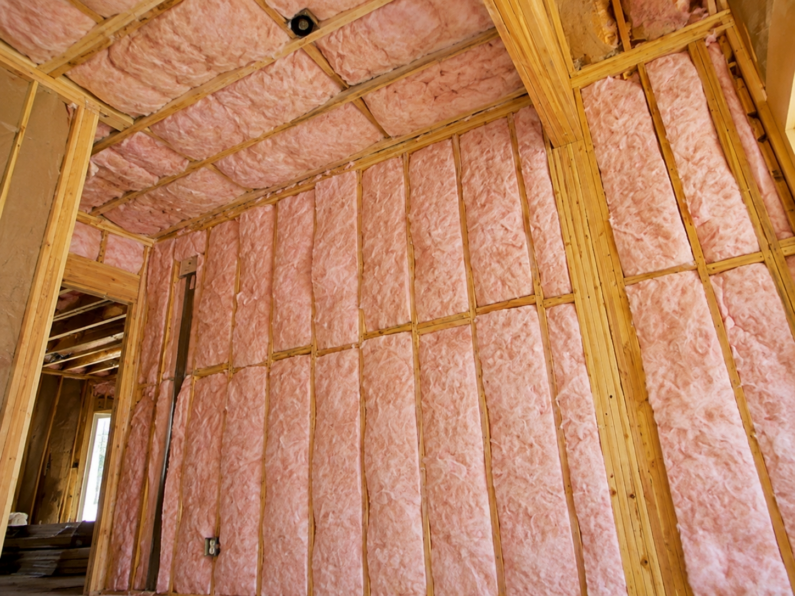
Fiberglass insulation is one of the most popular choices for home insulation because it is affordable, reliable, and helps improve energy efficiency. Whether you are building a new home or upgrading an older one, choosing the right fiberglass insulation can make a big difference in indoor comfort, energy savings, and long-term performance. Understanding how it works can help you make a smart decision for your home.
Key Takeaways
Fiberglass insulation is a practical and widely used option for improving energy efficiency in residential properties. Understanding its forms and benefits can help homeowners make informed insulation decisions.
- Fiberglass insulation helps reduce heat transfer throughout the home.
- It is commonly available in batts and rolls for residential insulation applications.
- It can be installed in attics, walls, floors, and ceilings.
- It improves comfort while lowering heating and cooling costs.
- Professional installation ensures the best performance and long-lasting results.
What Is Fiberglass Insulation?
Fiberglass insulation is a type of insulation made from fine strands of glass that are woven together to trap tiny pockets of air. These air pockets slow the movement of heat, making homes warmer in winter and cooler during summer. It is available in common residential forms such as fiberglass batts and rolls. The Green Cocoon recommends this insulation solution because it is easy to install, provides dependable thermal performance, and remains one of the most widely used products for residential and commercial buildings.
Common installation areas include:
- Attics
- Exterior walls
- Interior walls
- Floors
- Ceilings
Its versatility makes fiberglass suitable for both new construction and renovation projects.
How Is Fiberglass Insulation Made?
Fiberglass insulation begins with recycled glass and raw materials such as sand and limestone. These materials are melted at very high temperatures until they become liquid. The molten glass is then spun into extremely fine fibers that resemble soft wool.
The fibers are bonded together with a special binder and formed into batts or rolls for installation. After cooling and cutting to size, the insulation is packaged and shipped for installation.
Why Fiberglass Work So Well
The tiny glass fibers trap still air between them. Since trapped air slows heat movement, fiberglass creates an effective barrier against temperature changes.
Some advantages include:
- Excellent heat resistance
- Lightweight material
- Easy transportation
- Consistent insulation performance
How Does Fiberglass Insulation Work?
Fiberglass insulation works by reducing the transfer of heat through walls, ceilings, and floors. Instead of allowing heat to move freely, the air trapped between the glass fibers acts as a barrier.
During winter, warm indoor air stays inside longer. During summer, outside heat has a harder time entering your home. This helps create a comfortable indoor temperature throughout the year.
Proper insulation also reduces the workload on your heating and cooling system, which may help lower monthly utility bills.
Types of Fiberglass Insulation
Not every insulation project requires the same product. Fiberglass comes in several forms to fit different areas of a home.
Fiberglass Batts
Fiberglass batts are pre-cut insulation panels designed to fit between wall studs, ceiling joists, and floor framing. They are one of the most common choices for new home construction because they are simple to install.
Roll Fiberglass Insulation
Roll insulation is similar to batts but comes in long sections that can cover large open areas quickly. It is commonly used in attics and unfinished spaces.
Benefits of Fiberglass Insulation
Many homeowners choose fiberglass because it offers reliable performance at an affordable price. It also works well in a variety of climates and building types.
Some important fiberglass benefits include:
- Improved energy efficiency
- Lower heating and cooling costs
- Better indoor comfort
- Noise reduction between rooms
- Long-lasting performance when properly installed
Fiberglass remains one of the most trusted insulation materials for residential properties because it balances performance, availability, and cost.
Where Can Fiberglass Insulation Be Installed?
One of the biggest reasons homeowners choose fiberglass insulation is because it can be used in many parts of a house. Whether you are building a new home or upgrading an older one, fiberglass provides reliable thermal insulation in areas where heat loss is common. When installed correctly, it helps improve comfort and energy savings throughout the year.
Common installation areas include:
- Attic insulation
- Wall insulation
- Basement ceilings
- Crawl spaces
- Garage walls
Professional installation helps ensure the insulation fits properly without gaps that can reduce efficiency.
Fiberglass Insulation vs. Other Insulation Materials
Choosing between different insulation materials depends on your home’s needs, budget, and energy goals. Fiberglass remains one of the most popular options because it offers dependable performance at a reasonable cost.
Fiberglass vs. Cellulose
Fiberglass comes in batts, while cellulose is made from recycled paper and is usually blown into place. Fiberglass is easier to install in open wall cavities, while cellulose may provide better air sealing in some retrofit applications. Many homeowners also choose cellulose attic insulation for attic upgrades because it fills small gaps and improves overall energy efficiency.
Fiberglass vs. Spray Foam
Spray foam creates an excellent air seal but is generally more expensive than fiberglass. Homeowners looking for an affordable insulation solution often choose fiberglass because it delivers reliable performance while keeping installation costs lower.
Is Fiberglass Insulation Good for Attics?
Yes. Attic insulation is one of the most common uses for fiberglass because the attic is where a large amount of heat can escape. Proper attic insulation helps keep indoor temperatures stable during every season.
The Green Cocoon recommends choosing the right insulation thickness for your attic to improve comfort and reduce heating and cooling costs. A well-insulated attic also helps your HVAC system operate more efficiently.
Benefits of fiberglass attic insulation include:
- Better indoor comfort
- Lower energy bills
- Reduced heat loss
- Improved HVAC efficiency
Is Fiberglass Insulation Safe?
Modern fiberglass insulation is safe when it is manufactured and installed according to industry standards. During installation, professionals wear protective clothing, gloves, and masks to avoid irritation from loose glass fibers.
Once installed behind drywall or inside attic spaces, fiberglass insulation performs safely for many years with very little maintenance.
How Long Does Fiberglass Insulation Last?
Fiberglass insulation can last several decades if it remains dry and undamaged. Moisture, roof leaks, or pest activity can reduce its effectiveness, so regular home inspections help maintain its performance.
If insulation becomes compressed or damaged, replacing the affected sections can restore its efficiency.
Why Professional Installation Matters
Although fiberglass insulation is available for DIY projects, professional installation provides better results. Experienced installers know how to fit insulation around electrical wiring, plumbing, and framing without leaving gaps.
Professional installation helps ensure:
- Correct insulation thickness
- Complete wall and attic coverage
- Improved energy performance
- Compliance with local building codes
- Long-lasting insulation results
Proper installation also reduces the risk of air leaks that can decrease your home’s overall efficiency.
How Fiberglass Insulation Improves Energy Efficiency
One of the greatest advantages of fiberglass insulation is its ability to reduce energy loss. By slowing heat movement through walls and ceilings, fiberglass helps maintain comfortable indoor temperatures throughout the year.
This improved insulation performance helps homeowners enjoy:
- Lower monthly utility bills
- More consistent indoor temperatures
- Reduced strain on heating and cooling systems
- Better overall home comfort
Installing quality insulation is one of the easiest ways to improve your home’s energy efficiency while increasing long-term value.
Conclusion
Fiberglass insulation continues to be one of the most trusted insulation solutions for homeowners because it is affordable, dependable, and effective. Whether you are insulating your attic, walls, or other areas of your home, fiberglass provides reliable thermal performance that helps improve comfort and reduce energy costs. Choosing professional installation ensures your insulation performs at its best for years to come.
Ready to make your home more comfortable and energy efficient? contact The Green Cocoon today to schedule a professional insulation consultation and find the right fiberglass insulation solution for your home.