


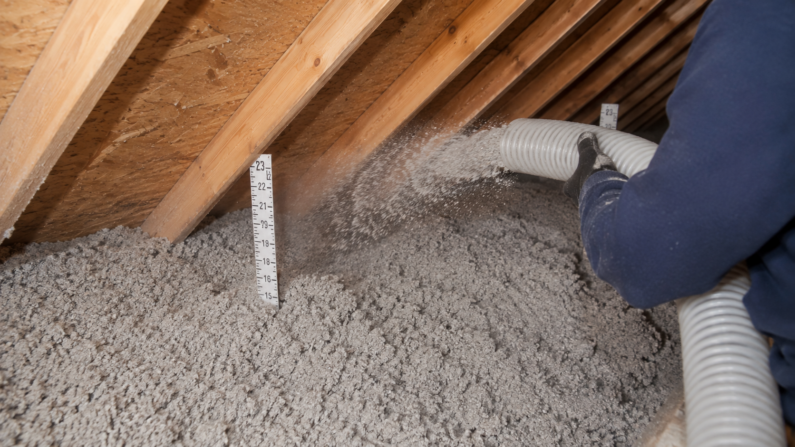
If you are wondering what is cellulose insulation, you are not alone. Many homeowners choose blown-in insulation because it helps lower energy bills and keeps homes comfortable in every season. Made from recycled paper insulation, cellulose is one of the most trusted and eco-friendly ways to improve home comfort.
Whether you are building a new home or upgrading older insulation materials, understanding how cellulose works can help you make the right choice.
Key Takeaways
Cellulose insulation is a practical option for homeowners looking to improve energy efficiency and indoor comfort. Understanding its benefits and installation requirements can help you make a more informed insulation choice.
- Cellulose insulation is made from recycled paper treated for fire and pest resistance.
- It is one of the most eco-friendly insulation options available.
- It works well in attics, walls, and other hard-to-reach spaces.
- It helps improve energy efficiency and indoor comfort.
- Professional installation ensures the best long-term performance.
What Is Cellulose Insulation?
What is cellulose insulation? It is a type of loose-fill insulation made mainly from recycled newspaper and other paper products. The paper is treated with safe fire-resistant materials before installation. The insulation is then blown into walls, ceilings, or attic spaces using special equipment, making it an excellent choice for cellulose insulation for attic applications where complete coverage and improved energy efficiency are important.
Unlike fiberglass batts, cellulose fills small gaps and cracks. This creates a tighter seal that helps reduce heat loss and keeps conditioned air inside your home.
Some common places where cellulose insulation is installed include:
- Attics
- Exterior walls
- Floors above crawl spaces
- Existing walls during home upgrades
Because it fits around pipes, wiring, and framing, cellulose creates excellent coverage with very little wasted space.
How Does Cellulose Insulation Work?
Cellulose slows the movement of heat through your home’s walls and ceilings. During winter, it helps keep warm air indoors. During summer, it reduces outside heat from entering your home.
This improved thermal barrier helps your heating and cooling system work less. As a result, many homeowners notice lower utility bills and more consistent indoor temperatures.
Another advantage is its ability to reduce unwanted airflow. Small cracks around framing often allow outside air to enter. Since cellulose fills these spaces, it helps reduce drafts throughout the house.
Why Air Sealing Matters
Air leaks can make your HVAC system work much harder than necessary. By filling gaps around electrical boxes, plumbing, and framing, cellulose creates better protection against outside temperatures.
Some of the biggest benefits include:
- Improved indoor comfort
- Lower heating and cooling costs
- Better temperature control between rooms
- Reduced energy waste
These improvements make cellulose a popular choice for both older homes and new construction.
What Is Cellulose Insulation Made Of?
One reason many homeowners choose cellulose is because of its environmentally friendly composition. Most products contain up to 85% recycled paper, making it one of the greenest insulation choices available today.
Manufacturers also add special treatments that help improve durability and safety.
These treatments provide protection against:
- Fire
- Mold growth
- Insects
- Rodents
Because it reuses existing paper products, cellulose helps reduce landfill waste while providing excellent insulation performance.
The Main Cellulose Benefits for Homeowners
There are many reasons why homeowners continue choosing cellulose over other insulation options. It delivers strong performance while supporting a more sustainable home. With proper insulation, homeowners can enjoy better indoor comfort, improved energy efficiency, and lower heating and cooling costs throughout the year.
Better Energy Savings
One of the biggest cellulose benefits is improved insulation performance. Since the material fills empty spaces more completely, it reduces heat transfer and helps lower monthly energy costs.
Excellent Noise Reduction
Cellulose also absorbs sound very well. Homes located near busy roads or noisy neighborhoods often become noticeably quieter after installation.
Environmentally Friendly
Because it uses recycled materials, cellulose supports environmentally responsible construction practices. It offers strong insulation performance while reducing environmental impact.
Long-Term Performance
When professionally installed, cellulose maintains its effectiveness for many years. Proper installation helps prevent settling and ensures consistent insulation coverage throughout the home.
Where Can Cellulose Insulation Be Installed?
One of the biggest advantages of cellulose insulation is its flexibility. It works well in many parts of a home and can be installed in both new and existing buildings. Because it is blown into place, it easily fills small gaps that other insulation products may miss. While some homeowners also consider mineral wool spray insulation for specific applications, cellulose remains a popular choice for its excellent coverage and energy-saving performance.
Common installation areas include:
- Attic insulation
- Exterior walls
- Interior walls for sound control
- Floors above garages
- Crawl spaces
Professional installers use specialized equipment to ensure even coverage and the right insulation depth.
Cellulose Insulation vs. Other Insulation Materials
Choosing between different insulation materials can feel confusing. Each option has strengths, but cellulose stands out for its ability to improve comfort while supporting sustainability.
Cellulose vs. Fiberglass
Fiberglass is widely used because it is affordable and easy to install. However, cellulose vs fiberglass is a common comparison among homeowners, as cellulose often provides better air sealing by filling gaps more completely, helping improve overall energy efficiency and indoor comfort.
Cellulose may offer:
- Better coverage around obstacles
- Improved sound reduction
- Higher recycled content
- Better resistance to air movement
Cellulose vs. Spray Foam
Spray foam creates an excellent air seal but usually costs more than cellulose. Homeowners looking for a balance between performance and affordability often choose cellulose for retrofit projects.
The right choice depends on your home’s design, budget, and insulation goals.
Is Cellulose Insulation Good for Attics?
Yes. Attic insulation is one of the most common uses for cellulose. Since heat naturally rises, poorly insulated attics can cause major energy loss throughout the year. The Green Cocoon recommends high-quality cellulose insulation because it creates a thick insulation layer that helps keep indoor temperatures stable. During hot summers, it slows heat from entering the home, while during colder months, it helps keep warm air inside for year-round comfort and improved energy efficiency.
Benefits of insulating your attic with cellulose include:
- Lower utility bills
- Better indoor comfort
- Reduced HVAC workload
- More consistent temperatures
Many homeowners notice the biggest energy savings after upgrading attic insulation.
Is Cellulose Insulation Safe?
Many homeowners ask if cellulose insulation is safe because it is made from paper. The answer is yes. Modern cellulose insulation is treated with fire-resistant minerals that help improve safety and meet building code requirements.
In addition to fire protection, manufacturers treat the material to help resist:
- Mold growth
- Insects
- Rodents
When installed by trained professionals, cellulose insulation provides safe, reliable performance for many years.
Does Cellulose Settle Over Time?
Like many loose-fill insulation products, cellulose may settle slightly over time. Professional installers account for this during installation by adding the correct amount of material.
Proper installation helps maintain insulation performance and minimizes future settling.
How Professional Installation Makes a Difference
Although some insulation projects can be completed by experienced homeowners, cellulose installation usually requires specialized equipment. Professional installers understand how to achieve the proper density and coverage for the best results.
Working with experienced insulation experts helps ensure:
- Even insulation coverage
- Proper installation depth
- Maximum energy savings
- Long-lasting performance
- Compliance with local building codes
Choosing a trusted contractor also reduces the chance of gaps or uneven insulation that could affect efficiency.
How Cellulose Insulation Supports Sustainable Homes
Homeowners are becoming more aware of how building materials affect the environment. Cellulose is one of the most environmentally responsible insulation choices because it makes use of recycled paper products that might otherwise end up in landfills.
Its sustainable benefits include:
- Reduced waste through recycling
- Lower energy consumption over time
- Smaller environmental footprint
- Long service life with minimal maintenance
These qualities make cellulose an excellent option for homeowners who want better home performance while making environmentally friendly choices.
Conclusion
Now that you understand what is cellulose insulation, it is easier to see why it remains one of the most trusted insulation options for residential properties. Its recycled materials, strong thermal performance, excellent sound control, and long-term durability make it a smart investment for many homeowners. Whether you are upgrading your attic insulation or improving insulation throughout your home, cellulose offers an effective solution that can increase comfort and reduce energy costs.
Ready to improve your home’s comfort and energy efficiency? contact The Green Cocoon today to schedule a professional insulation assessment and find the right cellulose insulation solution for your home.