


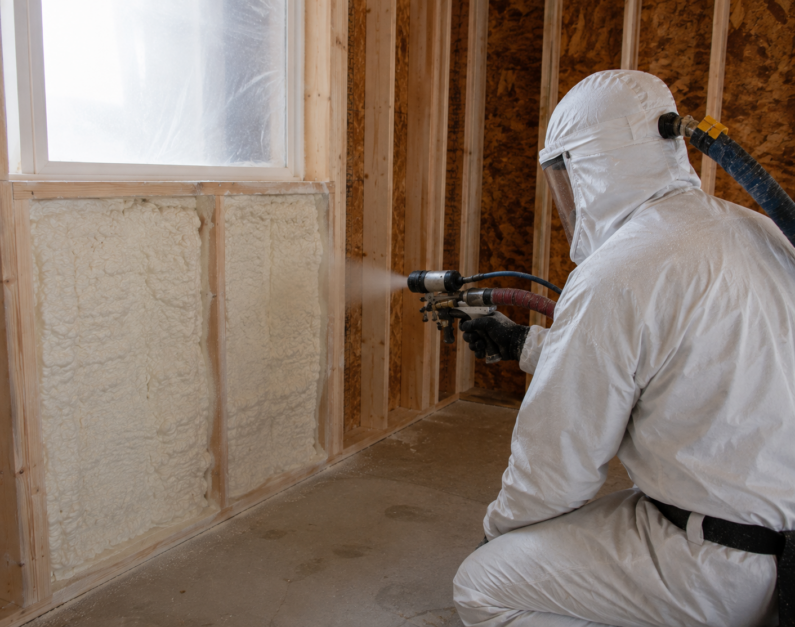
Spray foam insulation cost is one of the first things homeowners want to know before upgrading their home’s insulation. Whether you’re insulating a new home or improving an older one, understanding the total investment helps you make an informed decision. While prices vary depending on the size of your home and the type of foam used, working with home insulation contractors ensures you receive quality installation and long-term value.
Key Takeaways
Spray foam insulation is a popular choice for homeowners looking to improve comfort and energy efficiency. Understanding its cost, types, and benefits can help you make a more informed insulation decision.
- Spray foam insulation cost depends on the size of the project, foam type, and installation area.
- Open-cell and closed-cell spray foam have different pricing and performance benefits.
- Professional installation improves insulation performance and durability.
- Spray foam can lower heating and cooling costs over time.
What Affects Spray Foam Insulation Cost?
Several factors influence spray foam insulation cost, which is why prices can vary from one project to another. A small attic upgrade will cost less than insulating an entire home. The condition of the building, accessibility, and the amount of insulation required also affect the final price.
Before providing a quote, insulation professionals inspect the property to understand your home’s needs. This allows them to recommend the best insulation solution while keeping your budget in mind.
Some of the biggest pricing factors include:
- Size of the area being insulated
- Type of spray foam selected
- Existing insulation removal
- Labor requirements
- Overall project complexity
Open-Cell vs. Closed-Cell Spray Foam
Both open-cell and closed-cell spray foam provide excellent insulation, but they differ in performance and cost. Choosing the right material depends on your home’s structure, climate, and insulation goals.
Understanding the differences helps homeowners select the option that provides the best balance between performance and budget.
Open-Cell Spray Foam
Open cell spray foam insulation is lighter, softer, and expands significantly after application. It works well for interior walls, ceilings, and spaces where sound reduction is important.
Because it uses less material during installation, open-cell foam generally costs less than closed-cell foam while still providing excellent thermal performance.
Closed-Cell Spray Foam
Closed-cell spray foam has a denser structure that creates a strong air barrier and added moisture resistance. It is commonly used in basements, crawl spaces, exterior walls, and areas exposed to changing weather conditions.
Although the upfront investment is higher, many homeowners choose closed-cell foam because of its durability and insulating performance.
Average Spray Foam Insulation Cost for Different Areas
The location of the insulation project plays a major role in determining the total cost. Larger areas naturally require more material and labor, while smaller spaces are generally more affordable.
Every part of a home has different insulation requirements, so pricing varies depending on accessibility and installation complexity.
Attic Insulation
Many homeowners start with the attic because it is one of the biggest sources of heat loss. Improving attic insulation often delivers noticeable comfort improvements throughout the year. Some homeowners also compare spray foam with green fiber cellulose insulation when choosing the best insulation solution for their property.
The overall attic spray foam cost depends on attic size, roof design, and whether old insulation must be removed before installation begins.
Walls and Ceilings
Spray foam is commonly installed inside walls and ceilings during new construction or major renovations. These spaces benefit from improved air sealing, helping maintain more consistent indoor temperatures.
Projects completed during construction are often easier than retrofitting finished walls, which may require additional labor.
Basements and Crawl Spaces
Basements and crawl spaces often experience moisture, drafts, and fluctuating temperatures. Spray foam helps reduce unwanted air movement while improving overall comfort.
Because these areas sometimes require additional preparation, installation costs may vary from one property to another.
How Is Spray Foam Insulation Priced?
Contractors calculate pricing based on several project details rather than using a single flat rate. Material quantities, labor, and preparation all contribute to the final estimate.
Some companies also calculate pricing using the spray foam price per sq ft, while others prepare customized proposals after inspecting the property. This approach helps homeowners receive more accurate pricing based on their specific insulation needs.
Is Spray Foam Worth the Cost?
While the initial investment may be higher than traditional insulation materials, many homeowners find that spray foam delivers lasting value. Its ability to reduce air leaks helps heating and cooling systems work more efficiently throughout the year.
In addition to improving indoor comfort, spray foam creates a tighter building envelope that supports better temperature control during every season.
Some long-term benefits include:
- Better indoor comfort
- Improved moisture control
- Reduced outside noise
- Longer-lasting insulation performance
- Lower maintenance needs
Why Professional Installation Matters
Even the highest-quality insulation performs poorly if it is installed incorrectly. Proper application requires specialized equipment, experience, and careful attention to building conditions.
Professional installers evaluate airflow, moisture levels, and existing insulation before beginning the project. This helps ensure consistent coverage and long-term performance while reducing the risk of future insulation problems.
How to Get an Accurate Spray Foam Insulation Cost Estimate
Every home is different, so the best way to understand your spray foam insulation cost is by requesting a professional inspection. An experienced insulation company will evaluate your home, measure the areas that need insulation, and recommend the right type of spray foam for your needs.
A detailed insulation estimate helps homeowners understand the full scope of the project before work begins, making it easier to budget with confidence.
A professional estimate typically includes:
- Inspection of the insulation area
- Recommended insulation type
- Project timeline
- Estimated material and labor costs
Does Spray Foam Help Reduce Energy Bills?
One of the biggest reasons homeowners choose spray foam insulation is its ability to improve energy efficiency. Unlike traditional insulation, spray foam seals small gaps and cracks where air often escapes. This helps maintain a more stable indoor temperature throughout the year.
Over time, improved insulation can lead to noticeable energy savings, making spray foam a valuable investment for many homeowners.
Understanding the Long-Term Value of Spray Foam
Although the upfront investment may seem higher, many homeowners recover those costs through lower utility bills and improved home comfort. Spray foam also lasts for many years with minimal maintenance, making it a durable insulation solution.
When comparing insulation options, it’s important to look beyond the initial home insulation cost and consider the long-term benefits that quality insulation provides.
Some lasting advantages include:
- Better indoor temperature control
- Lower heating and cooling expenses
- Reduced air leaks
- Improved moisture protection
- Increased property value
What Influences the Total Installation Price?
Every insulation project is unique. The final price depends on several details, including the home’s size, existing insulation, and the amount of preparation required before installation begins.
Homeowners should also remember that the total insulation installation cost may include removing old insulation, sealing air leaks, and preparing the work area before new spray foam is applied.
What Is the Return on Your Investment?
Many homeowners ask whether spray foam is worth the initial expense. While every property is different, the long-term financial benefits often outweigh the higher upfront cost. Better insulation reduces energy waste while improving indoor comfort throughout every season.
A strong insulation ROI comes from lower utility bills, fewer HVAC repairs, and improved energy efficiency over the life of the home.
Why Choose The Green Cocoon?
At The Green Cocoon, we believe every homeowner deserves an insulation solution that delivers lasting comfort and performance. Our experienced team carefully evaluates your property and recommends the best spray foam option based on your home’s unique needs.
Whether you’re insulating an attic, crawl space, basement, or an entire home, we focus on quality workmanship, reliable service, and long-term value. You can also explore our Spray Foam Insulation, Attic Insulation, and Home Insulation services to learn more about the solutions we provide.
Conclusion
Understanding spray foam insulation cost helps homeowners make informed decisions when upgrading their home’s insulation. While pricing varies depending on the size and complexity of the project, spray foam offers lasting comfort, improved energy efficiency, and reliable performance for years to come. Choosing experienced professionals also ensures the insulation is installed correctly, helping you maximize its long-term value.
If you’re ready to improve your home’s comfort and energy efficiency, contact The Green Cocoon today to schedule a professional consultation and receive a customized spray foam insulation estimate. Our team is here to help you find the right insulation solution for your home.