Cellulose insulation blower equipment plays an important role in creating comfortable, energy-efficient homes. Whether you are insulating a new house or upgrading existing insulation, the right cellulose installation equipment helps distribute insulation evenly for the best results. Understanding how these machines work can help homeowners make informed decisions before starting an insulation project.
A properly installed cellulose insulation system helps reduce air leaks, improve indoor comfort, and lower heating and cooling costs. While some homeowners consider renting equipment for a DIY project, professional installation often delivers more consistent coverage and long-lasting performance. At The Green Cocoon, our experienced insulation specialists use professional-grade equipment and proven installation techniques to ensure even coverage, improved energy efficiency, and lasting results for homes and businesses.
Key Takeaways
- A cellulose insulation blower distributes insulation evenly throughout walls and attics.
- Professional equipment provides better coverage than manual installation.
- Proper installation improves comfort and energy efficiency.
- Choosing an experienced contractor helps avoid costly mistakes.
- Routine inspections help insulation perform efficiently for years.
What Is a Cellulose Insulation Blower?
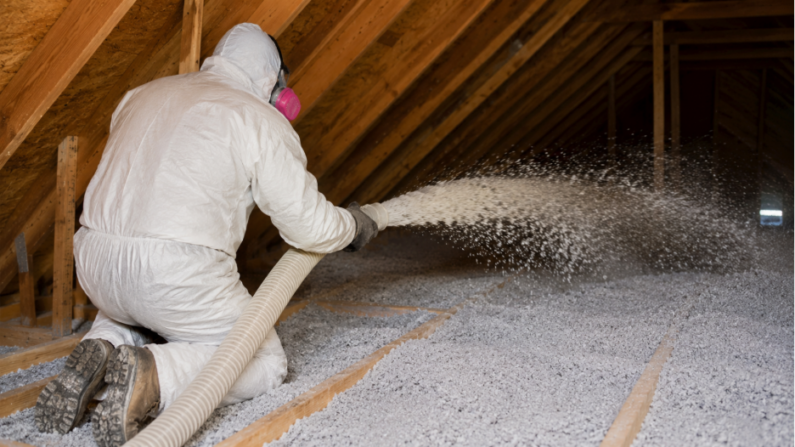
A cellulose insulation blower is a specialized machine designed to install loose-fill cellulose insulation quickly and evenly. The equipment breaks apart compacted insulation material and blows it through a hose into walls, attics, and other enclosed spaces. This process creates consistent coverage that reduces air leaks and improves overall thermal performance throughout the home.
How Does a Cellulose Insulation Blower Work?
The machine uses powerful airflow to move insulation through flexible hoses into the desired area. As the material is applied, it fills small gaps and hard-to-reach spaces that are difficult to insulate manually. Modern blown-in insulation machine systems allow installers to control material flow, helping achieve the proper insulation depth for maximum efficiency.
Where Is It Commonly Used?
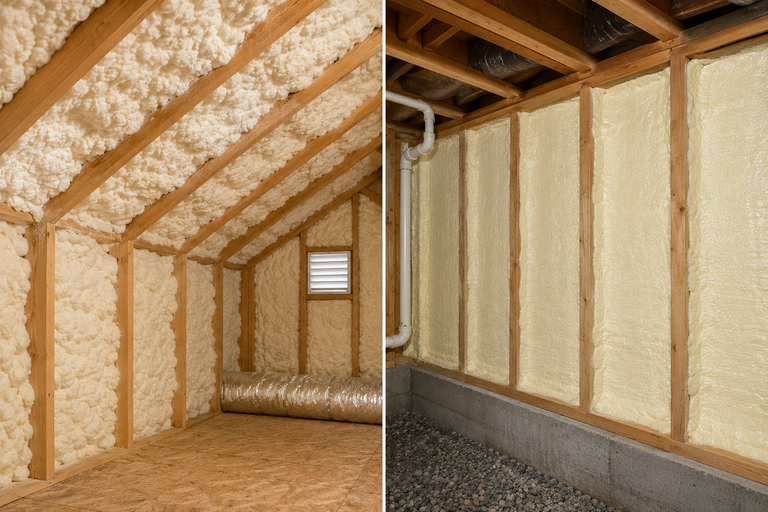
Cellulose insulation blowers are commonly used for attic floors, wall cavities, crawl spaces, and renovation projects where existing insulation needs to be upgraded. Because the equipment delivers even coverage, it is especially useful for improving insulation in older homes with irregular framing or difficult access areas.
Benefits of Using a Cellulose Insulation Blower
Using professional equipment offers several advantages over installing insulation by hand. Even coverage, faster installation, and reduced material waste all contribute to better insulation performance. These benefits help homeowners enjoy a more comfortable living environment while improving long-term energy savings.
Provides Consistent Insulation Coverage
One of the biggest advantages of a cellulose insulation blower is its ability to distribute insulation evenly across large areas. Uniform coverage reduces air pockets and helps create a continuous thermal barrier that improves indoor comfort throughout every season.
Some key benefits include:
- Better insulation consistency.
- Reduced air leakage.
- Improved energy efficiency.
Speeds Up the Installation Process
Professional insulation equipment allows large areas to be insulated much faster than traditional installation methods. Faster installation minimizes disruption inside the home while ensuring insulation reaches difficult spaces that would otherwise remain uncovered.
Reduces Material Waste
Controlled airflow allows installers to apply only the amount of insulation needed for each area. This improves efficiency, reduces excess material, and helps homeowners receive the full value of their insulation investment.
Why Professional Installation Matters
Although insulation blowers are available for rent, using the equipment correctly requires experience. Professional installers understand proper application techniques, insulation depth requirements, and building ventilation needs. Hiring an experienced insulation contractor helps ensure the insulation performs as intended while meeting local building standards.
Proper Equipment Makes a Difference
Professional installers use commercial-grade insulation tools designed for consistent material flow and accurate installation. These machines deliver better performance than many rental units, helping create a more effective insulation system that lasts for years.
Attic Installation Requires Experience
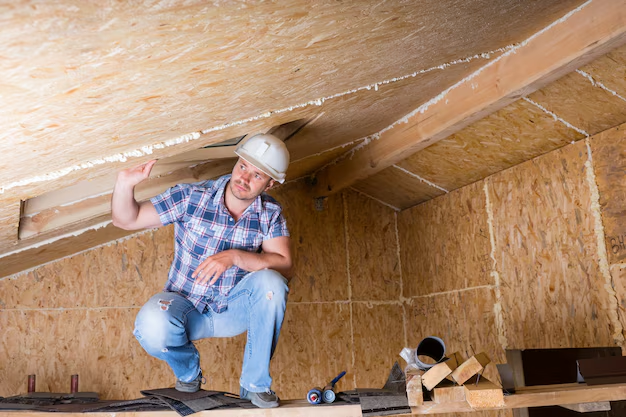
Proper attic insulation installation involves more than simply blowing insulation into place. Installers must evaluate ventilation, existing insulation, electrical fixtures, and moisture conditions before beginning work. Careful planning helps maximize insulation performance while protecting the home's structure.
How Professionals Use a Cellulose Insulation Blower
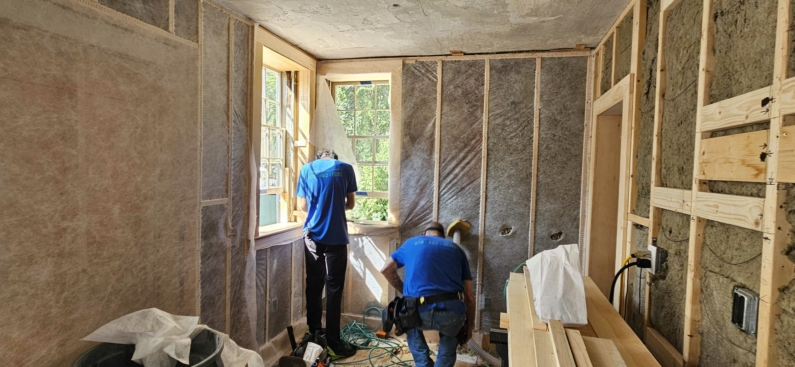
Professional installers follow a step-by-step process to ensure cellulose insulation is applied evenly and performs as expected. Before any insulation is added, the work area is inspected for air leaks, moisture problems, and damaged insulation. This preparation helps create a stronger and more efficient insulation system that lasts for many years.
Preparing the Home Before Installation
A successful insulation project begins with careful preparation. Contractors inspect the attic, walls, or crawl space to identify any repairs that should be completed first. They also seal noticeable air leaks to improve the effectiveness of the insulation once it is installed.
Before installation, professionals typically:
- Inspect the insulation area for damage or moisture.
- Seal major air leaks around pipes, wiring, and vents.
- Measure the space to determine the required insulation depth.
Applying Cellulose Insulation Evenly
Once preparation is complete, the blower feeds insulation through long hoses into the target area. The installer carefully controls the airflow to achieve even coverage without leaving gaps. Proper cellulose application ensures the insulation reaches corners, cavities, and other hard-to-access spaces, creating a continuous thermal barrier.
Final Inspection After Installation
After the insulation has been installed, the contractor checks the coverage depth and overall consistency. A final inspection confirms that the insulation has been applied correctly and that ventilation pathways remain clear. This quality check helps ensure the system delivers reliable performance throughout the year.
Choosing the Right Insulation for Your Home
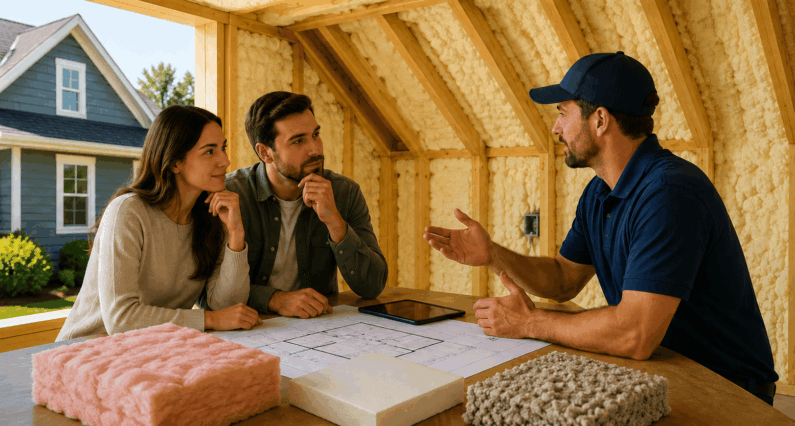
Every home has different insulation needs based on its design, age, and climate. While cellulose insulation is an excellent choice for many projects, comparing available options helps homeowners select the best solution for long-term comfort and energy efficiency.
Cellulose Is a Sustainable Choice
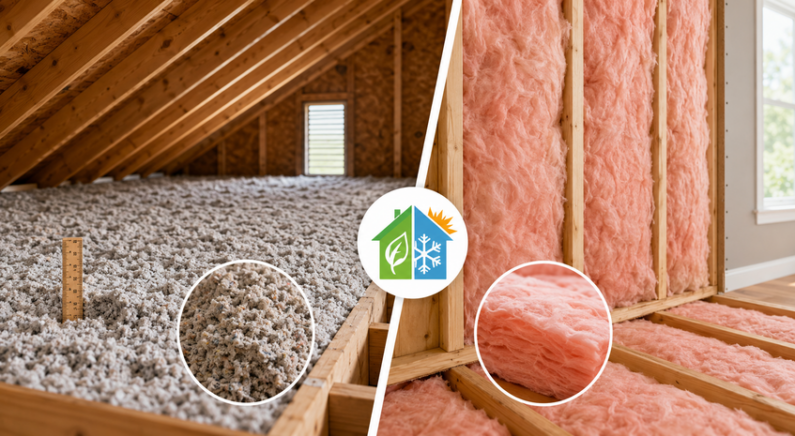
Cellulose insulation is made primarily from recycled paper fibers that are treated to improve fire and pest resistance. Many homeowners choose green fiber cellulose insulation because it combines strong thermal performance with environmentally responsible materials. It is especially effective for upgrading existing attics and wall cavities.
Different Areas May Need Different Materials
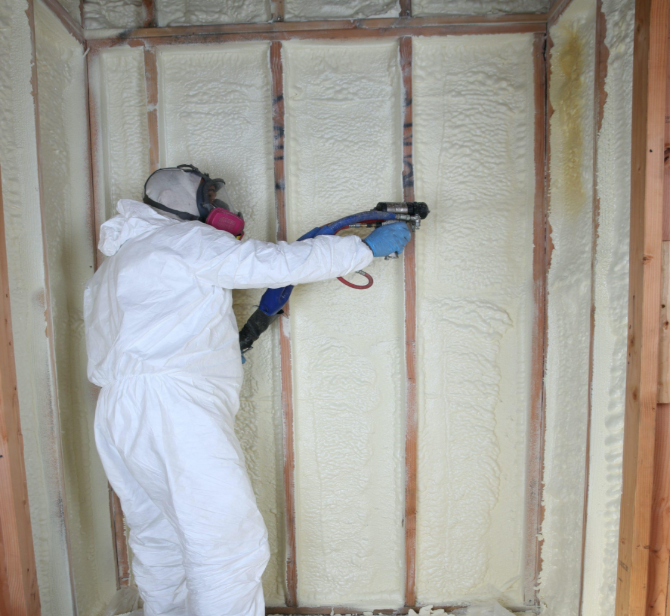
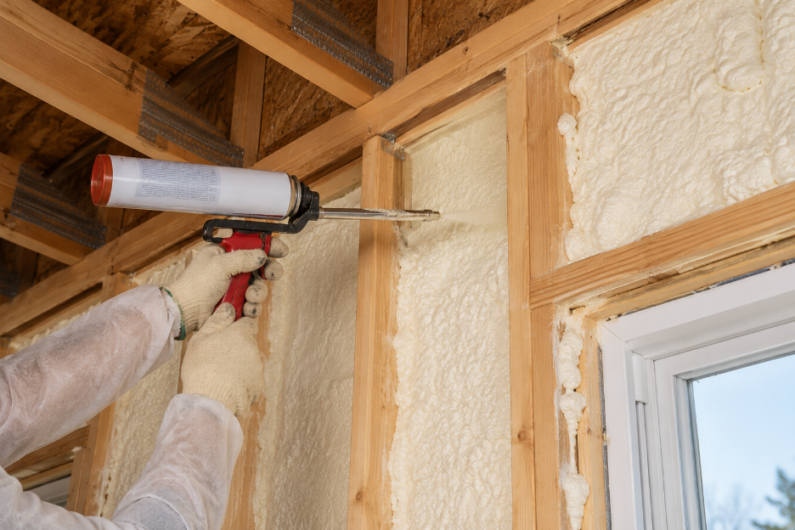
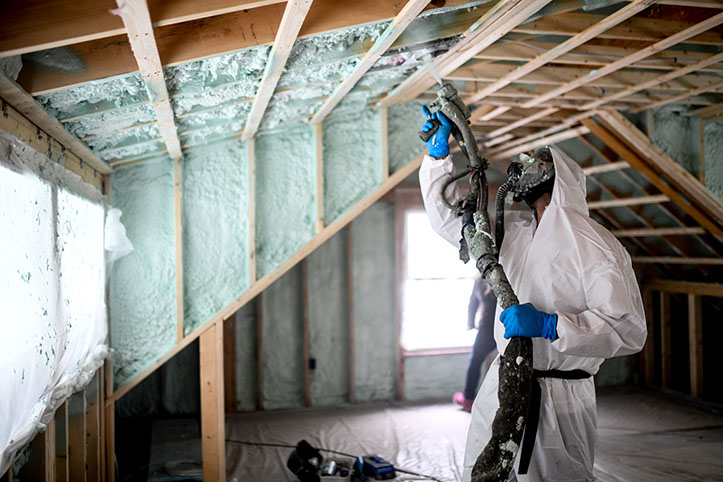
Not every part of a home requires the same insulation product. For example, closed cell spray foam is often selected for crawl spaces, rim joists, and areas where an air and moisture barrier is especially important. Choosing the right insulation for each location helps maximize efficiency and overall building performance.
Professional Guidance Makes the Difference
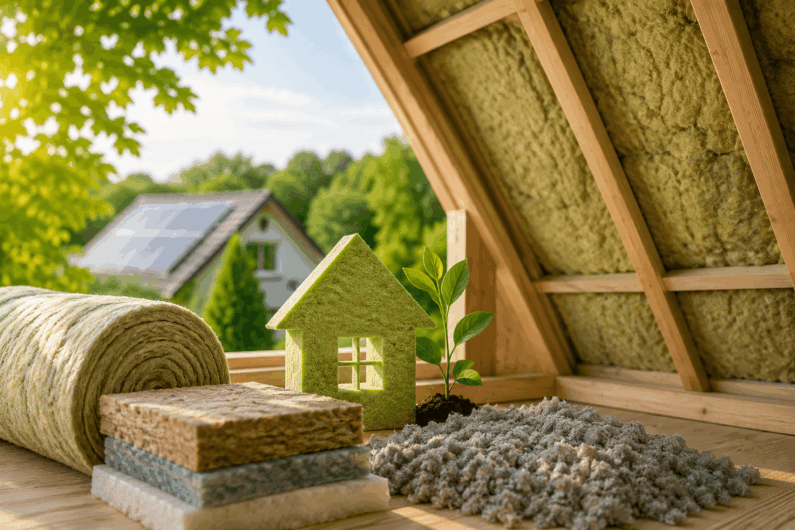
An experienced insulation specialist can recommend the most effective material based on your home's condition, energy goals, and budget. In some projects, products such as mineral wool spray insulation may also be considered for specific applications requiring added fire resistance or sound control.
Common Mistakes to Avoid
Even high-quality insulation materials can underperform if the installation process is not completed correctly. Understanding a few common mistakes helps homeowners avoid unnecessary costs and maintain better insulation performance for years to come.
Using the Wrong Equipment
Not all blower machines deliver the same results. Equipment that is not properly maintained or adjusted may produce uneven coverage, reducing the effectiveness of the insulation. Professional-grade machines provide better material flow and more consistent installation.
Installing Over Existing Problems
Insulation should never be installed over roof leaks, wet building materials, or damaged framing. Moisture issues should always be corrected before insulation is added to prevent future damage and maintain healthy indoor air quality.
Ignoring Recommended Insulation Levels
Adding too little insulation limits energy savings, while excessive amounts may affect attic ventilation if installed incorrectly. Following recommended insulation levels for your climate zone helps achieve the best balance of comfort and efficiency.
Why Choose The Green Cocoon for Cellulose Insulation?
Choosing the right insulation contractor is just as important as choosing the right insulation material. At The Green Cocoon, we help homeowners and businesses improve comfort, reduce energy costs, and create healthier indoor spaces with high-quality insulation solutions. Our experienced team carefully evaluates each property and recommends the insulation system that best fits your needs, budget, and long-term energy goals.
Experienced and Professional Installation
Our trained insulation specialists use professional-grade equipment to ensure every project is completed with precision. From preparing the installation area to applying insulation evenly, we focus on quality workmanship that delivers lasting performance and energy savings.
Insulation Solutions for Every Property
Every building is different, which is why we offer a range of insulation services instead of a one-size-fits-all approach. Whether your home needs attic insulation, wall insulation, crawl space insulation, or a complete energy efficiency upgrade, our team will recommend the best solution for your property.
Helping Homeowners Improve Energy Efficiency
We believe every homeowner should understand How Home Insulation Works before investing in an insulation project. By explaining the installation process, available materials, and expected benefits, we help our customers make confident decisions that provide lasting value.
Conclusion
A cellulose insulation blower is an essential tool for achieving even, effective insulation that improves comfort and reduces energy costs. While some homeowners consider installing insulation themselves, professional equipment and experienced installation provide better coverage, fewer mistakes, and longer-lasting results. Investing in quality insulation today can lead to lower utility bills and a more comfortable home for years to come.
At The Green Cocoon, we proudly help homeowners and businesses across Massachusetts, New Hampshire, and Southern Maine improve their buildings with high-quality insulation solutions. Whether you're upgrading an attic, insulating walls, or planning a complete energy-efficiency improvement, our experienced team is ready to recommend the right solution for your property and ensure professional installation from start to finish.
Ready to improve your home's comfort and energy efficiency? Contact The Green Cocoon today to schedule a consultation and let our insulation experts help you choose the right insulation solution for your home or business.
Frequently Asked Questions