


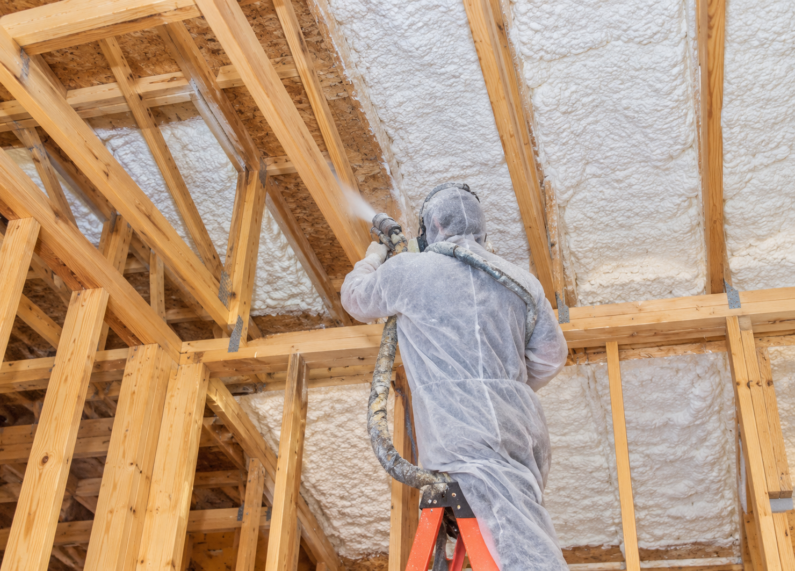
Choosing the right insulation types for your attic can make a noticeable difference in home comfort and energy efficiency. The right attic insulation can slow heat transfer, reduce drafts, and help your heating and cooling system operate more efficiently. At The Green Cocoon, attic insulation is selected based on the home’s structure, existing insulation, moisture conditions, and the homeowner’s comfort and efficiency goals.
An attic may look like a simple space, but there is more to insulation than filling it with material. Air leaks, roof issues, ventilation, insulation depth, and the condition of existing materials should all be considered before work begins. Understanding the main options can help you make a better choice for your home.
Key Takeaways
There is no single insulation material that is best for every attic. Spray foam, fiberglass, cellulose, and mineral wool can all work in different situations. The right option depends on your attic layout, budget, existing conditions, and the level of thermal protection you want.
- Spray foam can help with insulation and air sealing.
- Fiberglass is a common and flexible choice.
- Cellulose can provide broad attic coverage.
- R-value helps compare thermal resistance.
- Installation quality affects overall performance.
Why Attic Insulation Matters
Heat naturally moves between warmer and cooler areas. In winter, heated air inside the home can move toward a colder attic. In summer, heat from the roof area can move toward the living space. Good insulation slows this movement and helps create a more stable indoor temperature.
A well-insulated attic can also reduce the workload placed on heating and cooling equipment. However, insulation is only one part of home efficiency. Air sealing, windows, doors, ductwork, ventilation, and equipment condition can also affect energy use.
What Happens When an Attic Is Under-Insulated?
An attic with too little insulation may contribute to rooms that feel unusually warm in summer or cold in winter. You may also notice temperature differences between floors or rooms.
Common signs include:
- Uneven indoor temperatures
- Noticeable drafts
- Very hot attic areas
- Thin or uneven insulation
- Older insulation that has settled
These signs do not always mean insulation is the only problem. An inspection can help identify what needs attention before you spend money on an upgrade.
What Are the Main Attic Insulation Options?
Homeowners have several materials to consider when planning an attic upgrade. The most common choices include fiberglass, cellulose, and spray foam. Mineral wool can also work in certain attic designs. Each material has different qualities. Fiberglass is widely available and can be installed as batts or loose-fill. Cellulose is often used as loose-fill material. Spray foam can provide insulation while also helping seal air leaks. Mineral wool offers thermal performance with additional sound and fire-related benefits.
Spray Foam Attic Insulation
A spray foam attic can be insulated at the attic floor or along the roofline, depending on how the space is designed. Spray foam begins as a liquid and expands or cures into a foam layer after application. One major benefit is its ability to fill small openings and create a more continuous layer. This can be useful when air leakage is a major concern. However, spray foam requires careful installation and should be chosen based on the home’s construction and ventilation plan.
When Should You Consider Spray Foam?
Spray foam can be a suitable option for attics where air leakage is a significant concern or where the available space is limited. It can create a more continuous insulation layer while helping seal small gaps and openings. However, spray foam is not automatically the best choice for every attic. The roof structure, ventilation, moisture conditions, available space, and overall project goals should be considered before installation.
For homeowners considering closed cell spray foam insulation, a professional evaluation can help determine whether it is appropriate for the specific attic and how it should be incorporated into the insulation system.
Fiberglass Attic Insulation
Fiberglass attic insulation is a familiar choice for many homeowners. It can come in batts or loose-fill form. Batts are designed for suitable framed spaces, while loose-fill products can cover larger open attic floors. Fiberglass can be practical when an attic has a straightforward layout and enough room for the desired insulation depth. It can also be useful when homeowners want a familiar option that is easy to compare and budget for.
What Are the Benefits of Fiberglass?
Fiberglass can provide good resistance to heat movement and is available in several thicknesses. It can work well in attics when installed evenly and without large gaps. The material should not be compressed unnecessarily. Areas around edges, fixtures, and other obstacles also need attention. Proper coverage matters because uncovered sections can reduce the overall value of the insulation upgrade.
Cellulose Attic Insulation
Cellulose is commonly used as loose-fill insulation in attic floors. The material can spread across open areas and fit around some obstacles, helping create broad coverage. Cellulose attic insulation can be considered when homeowners want to increase insulation depth across an accessible attic floor. Before installation, the space should be checked for moisture, air leaks, wiring concerns, and other issues.
Is Cellulose Suitable for Older Homes?
Cellulose can work well in many older homes, but the attic should be assessed first. Older properties may have uneven framing, outdated wiring, moisture problems, or areas with little existing insulation. Adding new material without addressing these issues can create problems later. A contractor should inspect the space and explain whether the existing insulation should remain, be removed, or be supplemented.
Mineral Wool for Attic Spaces
Mineral wool can be useful in selected attic applications. It is made from mineral-based fibers and can provide thermal resistance along with sound and fire performance. It is generally available as batts or boards. The correct product depends on the location and construction. While the phrase mineral wool spray insulation may appear in insulation searches, standard residential mineral wool is generally installed as a fitted product rather than sprayed like foam.
Understanding R-Value
R-value is used to describe how well insulation resists heat flow. In general, a higher R-value means greater resistance to heat movement. However, choosing insulation should involve more than looking for the highest number. The right R-value depends on factors such as climate, attic design, available space, and project goals. The condition of the existing insulation also matters. A properly fitted product with consistent coverage can be more useful than a higher-rated product that is poorly installed.
Does Higher R-Value Always Mean Better?
Not necessarily. More insulation can help when it is appropriate for the space, but it must be installed correctly. Compression, gaps, moisture, and uneven coverage can reduce performance. Homeowners should also remember that insulation does not fix every source of energy loss. Air leaks around ceiling openings, ductwork, windows, and doors may still need attention.
How to Choose the Best Attic Insulation
Start by looking at the attic itself. Is it finished or unfinished? Is there existing insulation? Is the space dry? Are there visible gaps or air leaks? These questions can help narrow down suitable options. Your budget is also important. Some materials have a higher installation cost but may provide additional benefits. Others can offer practical thermal protection at a lower upfront price.
Consider:
- Attic layout
- Existing insulation
- Moisture conditions
- Desired R-value
- Air leakage
- Budget
Should You Replace Existing Insulation?
Old insulation does not always need to be removed. If it is dry, clean, and in good condition, adding new insulation may be possible. However, damaged, wet, contaminated, or badly settled material may require removal. A contractor should inspect the attic before making this decision.
It is also important to find the cause of any moisture or damage. Replacing insulation without fixing a roof leak or another source of moisture can lead to the same problem again.
How Important Is Air Sealing?
Air sealing and insulation serve different purposes, but they work well together. Small gaps around pipes, wires, vents, and ceiling fixtures can allow conditioned air to escape. Sealing these openings before adding insulation can improve the overall performance of the attic. It may also help reduce drafts and unwanted air movement.
This is why a good attic project should look at both insulation and air leakage instead of treating them as separate concerns.
How to Choose an Attic Insulation Contractor
The contractor you choose can have a major effect on the final result. Look for someone who has experience with attic projects and can explain different materials clearly. If you are comparing home insulation contractors, experience, installation methods, product choices, project timelines, warranties, and cleanup.
A reliable contractor should inspect the attic before giving a final estimate. Be careful with companies that provide a quick price without asking about the condition or design of your attic.
Comparing Attic Insulation Options
Choosing attic insulation depends on your attic’s layout, existing insulation, moisture conditions, and energy-efficiency goals. Compare options based on performance, installation requirements, available space, and cost. Also, ask whether the project includes air sealing, insulation removal, moisture concerns, and preparation work.
Common Attic Insulation Mistakes
One of the most common mistakes is assuming that adding more insulation will solve every comfort problem. If air leaks, moisture, or ventilation issues remain, the results may not meet expectations. Another mistake is leaving gaps around edges and obstacles. Even small uncovered areas can affect overall coverage. Homeowners should also avoid choosing a material simply because a neighbor used it. Every attic has different conditions, so the solution should be based on the actual property.
What Should You Ask Before Installation?
Before work starts, ask the contractor to explain the material, insulation depth, installation method, preparation, air sealing, and expected timeline. Make sure you understand the estimate as well. Knowing what is included can prevent confusion about additional charges, cleanup, or repairs.
Final Thoughts
The best attic insulation depends on your home’s needs rather than one material being better for everyone. Spray foam, fiberglass, cellulose, and mineral wool can all be useful in the right situations. Ready to improve your attic insulation? Contact The Green Cocoon today to discuss your home’s insulation needs and find an option that fits your property.