


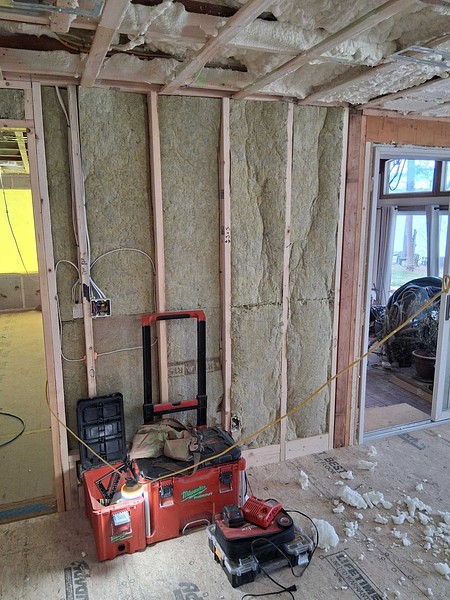
Mineral wool insulation is an effective option for improving thermal comfort, reducing sound transmission, and supporting fire safety in residential and commercial buildings. It is commonly installed in walls, ceilings, floors, and other suitable building assemblies. However, its performance depends on the product selected, installation quality, and the overall construction of the building.
For homeowners and contractors, understanding how mineral wool works can make it easier to choose the right insulation solution. The Green Cocoon helps property owners explore insulation options based on their building requirements, energy efficiency goals, and comfort needs.
What Is Mineral Wool Insulation?
Mineral wool is a fibrous insulation material manufactured from mineral-based raw materials. It is also commonly known as rock wool or stone wool. The material is produced by heating mineral materials at high temperatures and forming them into fine fibers.
These fibers trap air, slowing heat transfer through walls, ceilings, and other insulated surfaces. Their structure can also absorb sound, making mineral wool useful in buildings where thermal comfort and noise control are priorities. Mineral wool insulation is available in several forms, including batts, rigid or semi-rigid boards, and loose fibers for suitable blown applications. Each product is designed for specific installation conditions.
How Does Mineral Wool Work?
Mineral wool reduces heat movement by trapping small pockets of air within its fibrous structure. This helps limit heat transfer between indoor and outdoor environments. During colder weather, insulation helps reduce heat escaping from a building. During warmer weather, it can slow the movement of outdoor heat into conditioned spaces. The overall benefit depends on insulation thickness, R-value, installation quality, and other elements of the building envelope. Mineral wool can also absorb sound energy and withstand high temperatures. However, it does not automatically prevent air leakage. Gaps around windows, doors, pipes, wiring, and framing may require separate air-sealing measures.
Is Mineral Wool Insulation Effective for Homes and Buildings?
Yes, mineral wool insulation can be highly effective when the product and installation method match the building’s requirements. It offers several useful properties that make it suitable for different residential and commercial applications.
Its main advantages include thermal insulation, sound absorption, and resistance to high temperatures. It can also be useful in wall assemblies where non-combustible insulation is required. However, mineral wool is not a universal solution for every insulation problem. Buildings with significant air leakage, moisture concerns, or limited installation space may require additional measures or alternative products.
1. Improves Thermal Comfort
Mineral wool helps maintain more consistent indoor temperatures by slowing heat transfer through insulated building components. This can make living areas more comfortable throughout the year. For example, properly insulated exterior walls can reduce heat loss during winter. Insulating suitable attic and ceiling assemblies can also help limit unwanted heat movement between the living space and the roof area.
The actual energy savings depend on the existing insulation, climate, heating and cooling systems, windows, doors, and air leakage. Mineral wool works best as part of a well-planned building envelope rather than as an isolated upgrade.
2. Supports Fire Safety
One important characteristic of mineral wool is its resistance to high temperatures. Many mineral wool products are non-combustible, making them useful in building assemblies where fire performance matters. This property can be particularly valuable in residential buildings, commercial properties, and spaces where fire safety requirements influence material selection.
However, using mineral wool does not automatically make a wall or building fire-rated. The performance of a fire-rated assembly depends on the complete construction, including framing, fasteners, insulation, boards, finishes, and installation details. Always check the manufacturer’s specifications and applicable building requirements before selecting an insulation product.
3. Helps Reduce Noise Transmission
Mineral wool’s fibrous structure can absorb sound energy and help reduce sound transmission through certain wall, ceiling, and floor assemblies. It may be useful in bedrooms, home offices, multi-unit properties, media rooms, and commercial buildings where noise control is important.
For example, insulation within an interior partition can help reduce some noise travelling between adjoining rooms. Its effectiveness depends on the entire assembly, including the wall’s mass, framing arrangement, gaps, doors, and other potential sound paths. Mineral wool alone will not make a room completely soundproof, but it can contribute to a more comfortable indoor environment.
4. Fits Different Building Applications
Mineral wool products are available in different shapes and densities, allowing them to suit a range of construction requirements. Depending on the product’s approval and intended use, applications may include exterior walls, interior partitions, ceilings, floors, basement assemblies, and selected roof systems.
Rigid boards may be appropriate for certain continuous insulation applications, while batts are commonly used between framing members. Loose or blown mineral wool may be suitable for specific cavities when the product and installation system are designed for that purpose. The insulation must be selected according to the location, moisture conditions, required thermal performance, and local building regulations.
How Is Mineral Wool Insulation Installed?
Installation depends on the type of mineral wool product and the part of the building being insulated. Correct fitting is essential because gaps, compression, and incomplete coverage can reduce insulation performance.
Mineral Wool Batts and Boards
Batts are cut and fitted between wall studs, ceiling joists, or other framing members. The material should fit the cavity without excessive compression or unwanted gaps. Rigid and semi-rigid boards are used in applications suited to their dimensions and performance characteristics. Depending on the system, they may be attached to walls or incorporated into other building assemblies. Installers must also consider electrical wiring, pipes, ventilation, and other components that may affect placement.
Blown Mineral Wool
Some mineral wool insulation products are designed for blown-in installation, while others are manufactured as batts or boards. Blown-in mineral wool uses specialized equipment to distribute loose fibers into suitable spaces, including certain cavities that may be difficult to access with traditional batts.
Unlike spray foam, mineral wool is not applied as a liquid that expands and cures. The appropriate installation method depends on the product specifications and the area being insulated. Before choosing mineral wool insulation, confirm whether blown-in fibers, batts, or boards are suitable for your project.
Mineral Wool Insulation and Energy Efficiency
Insulation can help reduce the amount of energy required to maintain comfortable indoor temperatures. By slowing heat transfer, mineral wool may reduce heating and cooling demand when installed as part of an effective building envelope. The insulation’s R-value is an important consideration. It indicates resistance to heat flow, with higher values generally providing greater resistance under comparable conditions. The appropriate R-value depends on the building location, climate, construction type, and applicable energy codes.
Insulation should also be considered alongside air sealing. Even well-insulated walls can lose energy through gaps and poorly sealed openings. Windows, doors, attic access points, and penetrations around pipes or cables may need attention. A complete energy-efficiency plan considers insulation levels, air leakage, moisture management, ventilation, and the condition of existing building materials.
Is Mineral Wool Resistant to Moisture?
Mineral wool is generally resistant to moisture-related deterioration compared with some other materials, but it is not a substitute for proper moisture management. Water can still enter a building through roof leaks, plumbing problems, exterior wall defects, or condensation. Wet building assemblies may experience problems even when the insulation itself retains some useful properties.
Before installing mineral wool, contractors should inspect the area for leaks, dampness, and existing damage. The building assembly must also manage water vapor and drainage appropriately for the local climate. Mineral wool products should be installed according to manufacturer instructions. The surrounding wall or roof system must provide suitable protection against weather exposure and moisture accumulation.
Mineral Wool vs. Spray Foam Insulation
Mineral wool and spray foam are different insulation materials. Both can support energy efficiency, but their properties and installation methods vary. Mineral wool is made from fibers and is commonly installed as batts, boards, or blown fibers. Spray foam is applied as a liquid that expands and cures, with its performance depending on the foam type and application. Mineral wool is often considered when fire resistance, sound absorption, and thermal insulation are priorities. Spray foam may be useful when air sealing is a major objective or when an assembly requires insulation within a limited space.
When Should You Consider Spray Foam?
Spray foam can be appropriate for selected cavities and building assemblies where air leakage control is important. Closed-cell and open-cell products have different properties, so the choice should reflect the intended application. Spray foam is not automatically the better option for every property. Moisture conditions, installation quality, ventilation, budget, and building design all influence suitability.
The Green Cocoon offers open-cell and closed-cell spray foam insulation, allowing property owners to explore alternatives when evaluating their insulation needs. The best choice depends on the performance goals of the project rather than the product name alone.
How to Choose the Right Mineral Wool Insulation
Choosing insulation involves more than comparing product prices. Homeowners and contractors should consider several factors before making a decision.
Required thermal performance: Check the R-value needed for the wall, ceiling, floor, or roof assembly.
Installation location: Select a product specifically designed and approved for the intended application.
Fire and sound requirements: Consider whether fire performance or noise reduction is a priority.
Moisture conditions: Identify potential leaks, condensation risks, and the need for appropriate moisture control.
Air leakage: Determine whether separate air sealing is required to improve energy performance.
Installation space: Check cavity dimensions, framing, wiring, plumbing, and access limitations.
Budget and long-term value: Compare material costs, labor, expected performance, and the scope of any additional work.
These considerations can help prevent choosing a product that does not address the building’s main insulation problems.
Why Professional Insulation Installation Matters
Even high-quality insulation can perform poorly if installed incorrectly. Gaps, compression, incomplete coverage, and unsuitable placement may reduce its effectiveness. Professional insulation contractors can assess the building, identify problem areas, and recommend suitable materials. They can also consider existing insulation, structural conditions, moisture concerns, and local building requirements before work begins.
Older properties may require additional inspection because hidden leaks, damaged materials, or restricted cavities can complicate installation. Addressing these issues before adding insulation helps avoid covering up existing problems. Working with local insulation contractors can help homeowners understand their options and plan an installation around the building’s specific requirements. The Green Cocoon serves properties throughout Massachusetts, New Hampshire, and Southern Maine.
Final Thoughts
Mineral wool insulation can be an effective choice for homes and commercial buildings because it helps slow heat transfer, absorb sound, and resist high temperatures. Its suitability depends on the application, product specifications, building conditions, and installation quality. It is generally installed as batts, boards, or blown fibers rather than sprayed like polyurethane foam. Understanding this distinction helps homeowners compare insulation options accurately and choose an appropriate installation method.
Mineral wool may be suitable when thermal performance, acoustic comfort, and fire resistance are priorities. Spray foam may be worth considering when air sealing is a major concern. In either case, the complete building assembly and moisture-management requirements should guide the decision. Ready to improve your property’s comfort and energy efficiency? Contact The Green Cocoon to discuss your insulation requirements and explore a suitable solution for your home or building.