


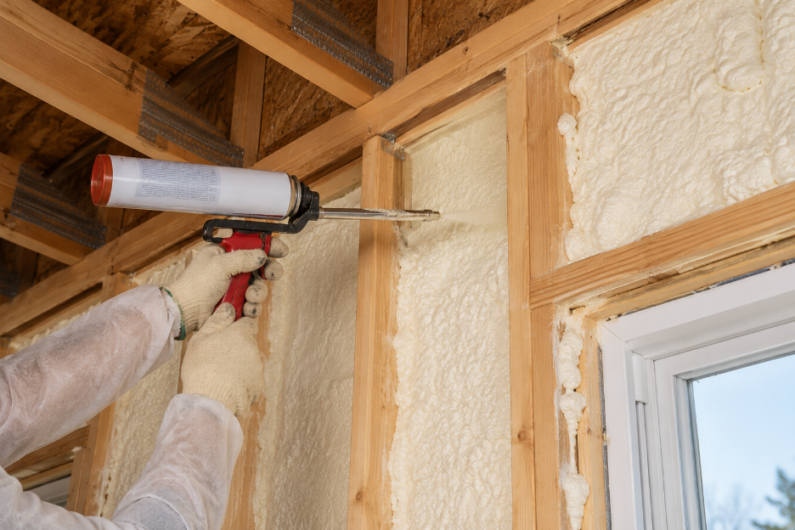
Many homeowners believe that a foam wall is unsafe, too expensive, or unnecessary. The truth is that most of these beliefs are myths. When professionally installed, spray foam insulation creates a strong air barrier, improves indoor comfort, reduces energy loss, and helps lower heating and cooling costs. Understanding the facts behind these common misconceptions allows homeowners to choose an insulation solution that delivers lasting value and reliable performance.
At The Green Cocoon, we help homeowners and builders create healthier, more energy-efficient homes with professional insulation solutions. Our experienced team focuses on quality workmanship, expert guidance, and long-lasting results. Whether you’re building a new home or upgrading existing insulation, we provide customized recommendations to help you achieve greater comfort, improved energy efficiency, and dependable insulation performance for years to come.
Key Takeaways
- Many spray foam myths are based on outdated information.
- Proper installation is the key to long-lasting results.
- Spray foam helps improve energy efficiency and indoor comfort.
- Air sealing reduces drafts and unwanted moisture.
- Choosing the right insulation depends on your home’s needs.
- Professional installation delivers the best insulation performance.
Why Do Foam Wall Myths Still Exist?
Many people hear conflicting opinions from neighbors, online forums, or old home improvement articles. Some of these ideas were true decades ago, but insulation technology has improved a lot. Today, homeowners have access to better materials, trained installers, and reliable testing methods that prove how modern insulation works.
Some common reasons these myths continue include:
- Old information shared online
- Confusion between different insulation products
- Poor installation experiences
- Lack of understanding about modern insulation systems
Myth #1: Spray Foam Is No Better Than Traditional Insulation
This is one of the biggest misconceptions. Traditional products such as fiberglass insulation slow heat movement, do not stop air leaks. Spray foam creates a stronger barrier that reduces both heat transfer and unwanted airflow. That difference can make a noticeable improvement in comfort throughout the year.
Because it expands after application, spray foam fills cracks and small gaps that other materials cannot reach. This creates more consistent indoor temperatures and lowers heating and cooling demands.
Benefits include:
- Better temperature control
- Reduced energy waste
- Improved indoor comfort
- Longer-lasting insulation value
How Spray Foam Improves Insulated Walls
Well-designed insulated walls do much more than keep heat inside. They also help reduce outside noise, improve indoor comfort, and support healthier indoor air. Spray foam creates a continuous insulation layer that performs well in both hot and cold climates.
Many homeowners notice improvements such as:
- Fewer drafts
- More even room temperatures
- Better sound control
- Lower monthly energy bills
Myth #2: Spray Foam Traps Moisture Inside Walls
Many homeowners worry that spray foam causes moisture problems. In reality, moisture issues usually come from leaks, poor ventilation, or improper construction—not the insulation itself.
Proper installation helps reduce unwanted airflow, which limits the movement of humid air into wall cavities. When moisture is controlled correctly, building materials stay drier and last longer.
Why Air Sealing Matters for Every Home
One of the biggest reasons spray foam performs so well is its excellent air sealing ability. Small gaps around windows, wiring, plumbing, and framing allow conditioned air to escape every day. Spray foam expands into these openings and blocks unwanted airflow.
Good air sealing can help:
- Reduce heating costs
- Lower cooling expenses
- Improve indoor comfort
- Reduce outside dust entering the home
Myth #3: Spray Foam Is Unsafe After Installation
Modern spray foam products are designed to be installed by trained professionals following manufacturer guidelines. During installation, proper ventilation and safety procedures are important. After curing is complete, professionally installed spray foam becomes a stable part of the home insulation system.
Homeowners should always choose experienced installers who follow recommended application practices and building codes.
Understanding Open vs Closed Cell Spray
When researching insulation, you may come across Open vs Closed Cell Spray options. Both products provide excellent insulation, but they serve different purposes depending on the project.
Open-cell foam generally offers:
- Greater flexibility
- Good sound reduction
- Lower material density
Closed-cell foam typically provides:
- Higher insulation value
- Added structural strength
- Better moisture resistance
A professional contractor can recommend the right option based on your home’s location and construction.
Myth #4: Spray Foam Is Too Expensive
The initial installation cost is often higher than some traditional insulation products. However, looking only at the upfront price ignores long-term value.
Many homeowners recover part of the investment through:
- Lower utility bills
- Reduced HVAC workload
- Increased home comfort
- Longer-lasting insulation
Over time, these savings can offset much of the initial installation expense.
Wall Insulation Plays a Bigger Role Than You Think
Quality wall insulation helps maintain indoor temperatures during every season. Without effective insulation, heating and cooling systems must work harder to keep your home comfortable.
Proper insulation supports your home by:
- Reducing temperature swings
- Improving indoor comfort
- Protecting building materials
- Supporting better energy efficiency
Myth #5: Spray Foam Makes Homes Impossible to Ventilate
A well-insulated home should also be properly ventilated. Modern homes are designed with both insulation and ventilation working together.
Professional builders often include ventilation systems that:
- Bring in fresh outdoor air
- Remove stale indoor air
- Control indoor humidity
- Improve overall indoor air quality
This balanced approach creates healthier living spaces while maintaining energy savings.
Spray Foam Insulation Helps Improve Home Performance
Modern Spray Foam Insulation is designed to improve the overall building envelope. Instead of treating insulation as a single product, experts now look at how every part of the home works together.
When insulation, ventilation, and air sealing work as one system, homeowners often experience:
- Better year-round comfort
- Lower energy consumption
- Improved indoor air quality
- Greater overall home value
Myth #6: Spray Foam Loses Its Effectiveness Quickly
Some homeowners believe spray foam wears out after only a few years. In reality, professionally installed spray foam is known for maintaining its performance over the long term.
Because it adheres directly to building surfaces, it is less likely to shift or settle over time compared to some traditional insulation materials.
Long-term advantages include:
- Stable insulation coverage
- Reduced maintenance
- Consistent indoor comfort
- Reliable insulation performance
Home Insulation Facts Every Homeowner Should Know
Many homeowners make insulation decisions based on outdated advice. Knowing the real home insulation facts helps you invest wisely and avoid costly mistakes later.
Here are a few important facts:
- Insulation works best when combined with air sealing.
- Professional installation improves overall performance.
- Different homes require different insulation solutions.
- Energy savings depend on the entire building envelope.
How a Foam Wall Improves Everyday Living
A foam wall does more than keep your home warm in winter or cool in summer. It creates a tighter building envelope that helps maintain a steady indoor temperature throughout the year. This means fewer hot and cold spots, less strain on your heating and cooling system, and a more comfortable living environment for your family. Over time, these benefits can also help reduce energy waste and improve the overall performance of your home.
Homeowners often notice several improvements after upgrading their insulation:
- More consistent room temperatures
- Better indoor comfort in every season
- Fewer drafts around windows and doors
- Lower heating and cooling costs
Signs Your Home May Need Better Wall Insulation
Many homes lose energy without the owners realizing it. If your home feels uncomfortable even when the HVAC system is running, poor insulation could be part of the problem. Identifying these warning signs early can help prevent higher utility bills and improve indoor comfort before the problem becomes more serious.
Some common signs include:
- Rooms that are always too hot or too cold
- Rising monthly energy bills
- Drafts near walls or electrical outlets
- Uneven temperatures between floors
- HVAC system running more often than usual
Why Professional Installation Makes a Difference
Even the highest-quality insulation will not perform as expected if it is installed incorrectly. Professional installers understand how to apply spray foam evenly, seal hidden gaps, and meet local building standards. Proper installation also helps ensure long-term durability and consistent insulation performance, giving homeowners greater confidence in their investment.
Professional installation offers several advantages:
- Complete coverage without missed areas
- Better long-term energy savings
- Reduced risk of moisture and air leaks
- Improved overall insulation performance
Long-Term Benefits Beyond Energy Savings
While lower utility bills are a major advantage, the benefits of spray foam continue long after installation. Better insulation can improve indoor air quality by reducing outside pollutants, help control moisture, and even contribute to a quieter home by limiting outside noise. These long-term improvements make spray foam a valuable investment for homeowners who want lasting comfort and efficiency.
Long-term benefits include:
- Improved indoor air quality
- Better moisture control
- Reduced outside noise
- Increased home value
- Greater year-round comfort
How Better Insulation Supports Energy Savings
Improving energy efficiency is one of the biggest reasons homeowners upgrade their insulation. When less heated or cooled air escapes, HVAC systems run less often and consume less energy.
Additional benefits include:
- Lower monthly utility costs
- Reduced environmental impact
- Greater indoor comfort
- Improved home value
Even small improvements in insulation can make a noticeable difference over time.
Conclusion
Many foam wall misconceptions come from outdated information rather than modern building science. Today’s spray foam systems provide excellent insulation, effective air sealing, improved comfort, and dependable long-term performance when installed correctly. By understanding the facts instead of believing common myths, homeowners can make informed decisions that improve both comfort and energy savings for years to come.
If you’re ready to learn how spray foam insulation can improve your home, contact the experts at The Green Cocoon today for professional guidance and a personalized insulation solution.