


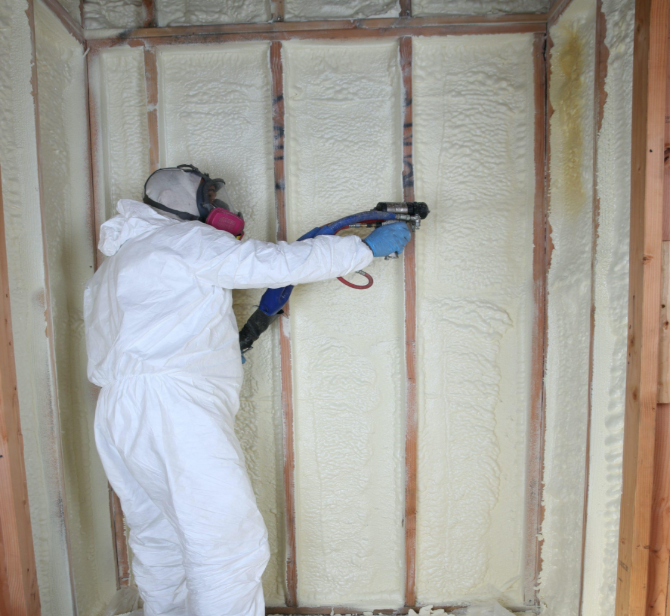
Closed cell spray foam is one of the most effective insulation options for improving comfort, reducing energy loss, and protecting your home from air leaks. This durable form of Spray Foam Insulation creates a strong barrier that helps maintain indoor temperatures while increasing energy efficiency. Like any building material, it performs best when installed correctly and maintained over time.
At The Green Cocoon, we provide eco-friendly insulation solutions for homeowners and businesses throughout Massachusetts, New Hampshire, and Southern Maine. Our experienced team carefully evaluates every property to recommend the right insulation system, whether you need closed cell spray foam, open cell spray foam, cellulose, mineral wool, or fiberglass insulation. We focus on safe installation practices, quality workmanship, and long-term energy savings to ensure every project delivers lasting value.
Key Takeaways
- Closed cell spray foam provides excellent thermal performance and air sealing.
- Proper installation is essential for long-lasting results.
- Early inspections help prevent moisture and insulation problems.
- Routine maintenance extends insulation lifespan and improves efficiency.
- Professional installation ensures the best overall performance.
What Is Closed Cell Spray Foam?
Closed cell spray foam is a high-density insulation material that expands after application to seal gaps, cracks, and small openings. Once cured, it creates a rigid layer that blocks air movement and helps reduce heat transfer throughout a building. Its durability and high insulating value make it a popular choice for residential and commercial properties looking for long-term energy savings.
How Does Closed Cell Spray Foam Work?
The foam is sprayed as two liquid components that react and expand within seconds. As it hardens, it forms millions of tiny, closed cells that create an effective air and moisture barrier. Compared with fiberglass insulation, it delivers a higher insulating value in less space, making it suitable for walls, crawl spaces, basements, and roofs.
Where Is Closed Cell Spray Foam Commonly Used?
Homeowners often choose closed cell spray foam for areas that require strong insulation and added structural support. It is commonly installed in exterior walls, attics, crawl spaces, rim joists, and basement walls. Many property owners also compare Open vs Closed Cell Spray options to determine which solution best fits their home’s insulation needs.
Common Benefits of Closed Cell Spray Foam
Closed cell spray foam is known for its ability to improve a home’s energy efficiency while providing long-lasting protection. It offers more than just insulation by helping reduce air leaks, improving indoor comfort, and strengthening parts of the building. When installed correctly, it can continue performing effectively for many years with minimal maintenance.
Superior Energy Efficiency
One of the biggest advantages of closed cell spray foam is its high R-value, which measures how well insulation resists heat flow. Because it creates an airtight seal, it minimizes heat loss during winter and keeps unwanted heat out during summer. As a result, heating and cooling systems work more efficiently, helping homeowners lower monthly energy costs.
Better Moisture Protection
Unlike many traditional insulation materials, closed cell spray foam has a dense structure that helps improve moisture control. It resists water absorption and reduces the chance of condensation inside walls and ceilings. This added protection helps lower the risk of mold growth, wood rot, and other moisture-related damage that can affect a home’s structure.
Increased Structural Strength
After curing, closed cell spray foam becomes rigid and bonds firmly to surrounding surfaces. This added rigidity can help reinforce walls and roof assemblies, especially in regions exposed to strong winds or severe weather. While it is not a replacement for structural framing, it provides an additional layer of support that contributes to the building’s overall durability.
Installation Mistakes Can Affect Performance
The most common problems occur when spray foam is installed by inexperienced contractors. Incorrect mixing ratios, uneven application, or spraying under unsuitable weather conditions can prevent the foam from curing properly. These installation mistakes may leave gaps, reduce energy efficiency, and shorten the overall effectiveness of the insulation.
A few warning signs include:
- Foam pulling away from studs or rafters.
- Uneven thickness across insulated areas.
- Visible gaps that allow air movement.
Hidden Moisture Problems
Although closed cell spray foam helps resist water, it should never be installed over existing leaks or damp building materials. If moisture becomes trapped behind the insulation, it can remain hidden for a long time before signs of damage appear. For this reason, a complete inspection should always be completed before installation begins.
Repairs Can Be More Difficult
Because closed cell spray foam forms a solid bond with building surfaces, repairs often require removing damaged sections before new material can be applied. Professional insulation repair ensures the affected area is restored without compromising the surrounding insulation. Addressing small problems early usually prevents larger repairs later.
Factors That Affect Insulation Lifespan
Closed cell spray foam is designed to last for decades, but its long-term performance depends on several important factors. Installation quality, environmental conditions, and routine inspections all play a role in maintaining effective insulation. Understanding these factors helps homeowners protect their investment and avoid unnecessary repair costs.
Proper Installation Matters Most
Professional installation is the single biggest factor affecting insulation lifespan. Experienced installers follow manufacturer guidelines, apply the correct foam thickness, and ensure surfaces are properly prepared before spraying. When installation is completed correctly, the insulation maintains its shape, sealing ability, and thermal performance for many years.
Regular Home Inspections Help
Even though spray foam requires little maintenance, periodic inspections are still recommended. Checking for roof leaks, plumbing issues, or signs of building movement allows small concerns to be corrected before they affect the insulation. Preventive maintenance keeps the insulation performing efficiently throughout its service life.
Choosing the Right Insulation for Each Area
Every part of a home has different insulation needs. While closed cell spray foam performs exceptionally well in many applications, some homeowners may choose cellulose insulation for attic spaces depending on ventilation, accessibility, and project goals. Selecting the right material for each location helps improve overall energy efficiency and long-term comfort.
Smart Solutions to Get the Best Results
Closed cell spray foam performs best when it is installed correctly and inspected regularly. A proactive approach helps prevent common issues before they become expensive repairs. Whether you are installing insulation in a new home or upgrading an existing one, following a few best practices can maximize its performance and longevity.
Work With Qualified Professionals
Professional installers understand the proper mixing ratios, application techniques, and curing conditions required for successful results. They also inspect the building before installation to identify hidden leaks or moisture problems that could affect the foam’s performance. Choosing an experienced contractor greatly reduces the risk of future insulation issues.
Address Small Problems Early
Even high-quality insulation should be checked periodically. If you notice higher energy bills, uneven indoor temperatures, or signs of water damage, schedule an inspection as soon as possible. Early action prevents minor concerns from developing into larger structural or insulation problems.
Maintain a Dry Home Environment
Keeping your home dry supports long-term insulation performance. Repair roof leaks, fix plumbing issues promptly, and maintain proper ventilation in areas such as attics and crawl spaces. A dry building envelope helps closed cell spray foam continue performing efficiently for many years.
Conclusion
Closed cell spray foam remains one of the most reliable insulation options for homeowners seeking better energy efficiency, improved indoor comfort, and long-term durability. While challenges such as improper installation, trapped moisture, or minor damage can occur, most are preventable with professional installation and routine inspections. Understanding both the benefits and potential concerns allows you to make informed decisions and protect your investment for years to come.
If you’re considering closed cell spray foam or need expert guidance for your insulation project, The Green Cocoon is here to help. Contact our team today to schedule a consultation and discover the right insulation solution for your home or commercial property.