


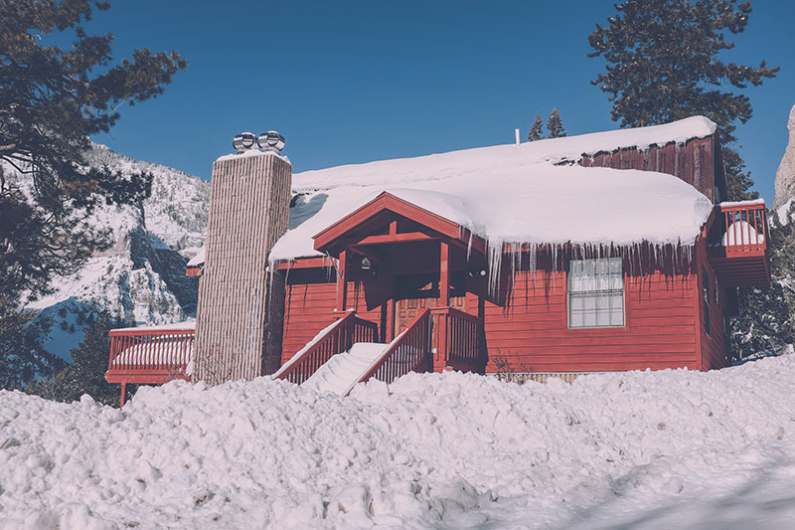
Ice dams are one of the most damaging winter-related problems for residential buildings. They often appear harmless from the outside but can cause extensive roof leaks, insulation failure, and structural deterioration. Many homeowners assume ice dams are purely weather-related, but the reality is that they are almost always linked to insulation performance. Understanding how insulation prevents ice dams is critical for protecting your roof, controlling moisture, and avoiding expensive winter repairs.
This blog explains the science behind ice dam formation, outlines the most common ice dam causes, and highlights proven insulation strategies that reduce winter damage. It also covers attic insulation tips, contractor considerations, and important DIY warning signs, all without relying on internal links or promotional content.
What Are Ice Dams and Why They Are a Serious Problem
Ice dams form when snow on a roof melts, flows downward, and refreezes near the roof edge. Over time, this frozen ridge blocks proper drainage. As more snow melts behind the dam, water pools and is forced under shingles and roofing materials.
Once water penetrates the roof system, it can soak insulation, rot wood, stain ceilings, and promote mold growth. These issues often remain hidden until significant damage has already occurred. The key factor behind this process is uneven roof temperature, which is directly tied to insulation quality.
Ice Dam Causes Inside the Home
While outdoor conditions contribute to ice dams, they are not the primary cause. The most common ice dam causes originate inside the home, particularly in the attic.
Heat escaping from the living space warms the upper roof surface. This heat loss is usually the result of inadequate insulation, insulation gaps, compressed materials, or air leaks around the attic —issues that experienced home insulation contractors are trained to identify and resolve. When snow melts on the warmer roof sections and refreezes near colder eaves, ice dams begin to form.
Homes with uneven insulation coverage are especially vulnerable. Even small temperature differences across the roof can trigger repeated freeze-thaw cycles throughout the winter.
How Insulation Prevents Ice Dams
To fully understand how insulation prevents ice dams, it helps to look at how heat moves through a building. Heat naturally flows from warmer areas to colder ones. Without sufficient insulation, warm indoor air escapes upward into the attic and warms the roof from below.
Proper insulation slows this heat transfer. When insulation is correctly installed and evenly distributed, the attic stays close to the outdoor temperature. This keeps the roof surface uniformly cold, allowing snow to remain frozen until it melts naturally during warmer weather.
Insulation also reduces temperature fluctuations that stress roofing materials. By maintaining stable conditions, it minimizes the risk of refreezing and water backup that leads to winter damage.
Why Attic Insulation Matters Most
The attic is the primary pathway for heat loss in winter, which makes attic insulation the most important line of defense against ice dams. In many homes, attic insulation is either insufficient or outdated, particularly in older buildings.
Effective attic insulation creates a thermal barrier between the heated living space and the cold roof structure. This barrier reduces heat leakage, stabilizes indoor temperatures, and prevents roof warming.
High-quality attic insulation also improves overall energy efficiency. Homes with proper insulation require less heating, experience fewer drafts, and maintain more consistent indoor comfort during cold weather.
Insulation Strategies That Reduce Winter Damage
Successful ice dam prevention requires a comprehensive approach rather than isolated fixes. Effective insulation strategies focus on coverage, continuity, and compatibility with the home’s design.
Insulation should meet or exceed recommended R-values for the local climate. It must be evenly installed across the attic floor without gaps, voids, or compressed areas. Cell spray foam failure in a residential roof can significantly reduce thermal performance and allow heat to escape unevenly. Inconsistent insulation performance can create hot spots that trigger snow melt even if most of the attic is well insulated.
Air sealing is another essential component. Gaps around attic hatches, wiring, ductwork, and plumbing allow warm air to bypass insulation entirely. Sealing these areas ensures that insulation performs as intended.
Moisture Control and Structural Protection
Ice dams are not just a roofing issue; they are a moisture problem. When water backs up under shingles, it can saturate insulation and framing materials. Wet insulation loses effectiveness, which increases heat loss and worsens the problem.
Proper insulation helps control moisture by keeping warm, humid indoor air from reaching cold attic surfaces where condensation can occur. This moisture control protects insulation performance and reduces the risk of mold growth and wood decay.
Over time, effective insulation reduces freeze-thaw stress on roofing materials, extending the lifespan of shingles, flashing, and roof decking.
Practical Attic Insulation Tips
Evaluating attic insulation requires more than measuring depth. Insulation must be evenly distributed, properly supported, and free from air movement. Areas near eaves and exterior walls are commonly under-insulated due to limited access, yet these zones are critical for preventing ice dams.
Attic access points should be tightly sealed and insulated to the same level as the surrounding attic floor. Recessed lighting, duct chases, and attic ladders are frequent sources of heat leakage that should be addressed as part of an insulation upgrade.
Regular inspections are important because insulation can settle, shift, or become damaged over time, reducing its effectiveness.
Contractor Checklist: What Professional Assessments Should Include
When ice dams persist, professional evaluation is often necessary. A qualified insulation contractor looks beyond surface symptoms to identify the root causes of heat loss.
A thorough assessment typically includes insulation depth measurement, air leakage inspection, moisture evaluation, attic ventilation review, and a specific evaluation of cellulose attic insulation to determine its coverage, density, and effectiveness. Contractors should clearly explain how upgrading or adding cellulose attic insulation can improve thermal performance, reduce roof temperature variation, enhance energy efficiency, and help prevent winter-related damage such as ice dams and moisture buildup.
Clear documentation, climate-specific recommendations, and an understanding of building science principles are key indicators of a reliable professional.
DIY Warning Signs You Should Not Ignore
Temporary measures such as roof raking or heat cables may reduce visible ice buildup, but they do not address underlying insulation problems. These solutions often provide short-term relief while allowing long-term damage to continue.
Warning signs include large icicles, uneven snow melt patterns, winter roof leaks, high heating bills, and cold indoor temperatures. These indicators suggest that insulation performance is compromised and requires attention.
Ignoring these signs or relying solely on DIY fixes can result in repeated damage and escalating repair costs.
Energy Efficiency Benefits Beyond Ice Dam Prevention
Understanding how insulation prevents ice dams also highlights its broader impact on home performance. Proper insulation reduces heating demand, lowers energy bills, and improves indoor comfort throughout the winter.
These benefits extend beyond cold weather. Well-insulated homes perform better year-round by maintaining stable indoor temperatures and reducing strain on heating and cooling systems.
From a long-term perspective, insulation upgrades are one of the most cost-effective investments homeowners can make.
Final Thoughts on Winter Protection
Ice dams are a clear sign of heat loss and insulation failure, not just harsh winter conditions. Addressing insulation deficiencies provides lasting protection against roof damage, moisture intrusion, and energy waste.
By focusing on insulation quality, attic performance, and seeking professional assessment when needed, homeowners can prevent ice dams and protect their homes from winter damage for years to come. If you need expert guidance or a professional inspection, contact us today to ensure your home is fully prepared for the winter season.
Frequently Asked Questions
Insulation limits heat loss into the attic, keeping the roof surface cold and preventing snow from melting and refreezing at the eaves.
Insufficient attic insulation, air leaks, and uneven heat distribution are the most common causes.
Attic insulation is essential, but it works best when combined with proper air sealing and moisture control.
In most cases, yes. Repeated ice dams usually indicate heat loss due to insulation gaps or degradation.
If ice dams recur every winter or leaks appear despite basic fixes, a professional insulation assessment is recommended.