


Rising utility costs have made energy efficiency a priority for homeowners across the country. Heating and cooling systems account for a significant portion of household energy consumption, and inefficient insulation can cause unnecessary energy loss. Proper insulation creates a thermal barrier that stabilizes indoor temperatures and reduces the demand on HVAC systems.
The Green Cocoon provides advanced insulation solutions designed to improve home performance, reduce monthly energy bills, and enhance indoor comfort. By sealing air leaks and improving thermal resistance, professional insulation systems help homeowners achieve measurable home insulation energy savings while maintaining consistent temperatures throughout the home.
This article explains how insulation reduces energy costs, improves comfort, lowers HVAC strain, and provides a strong return on investment.
Why Insulation Matters for Energy Efficiency
Insulation plays a critical role in maintaining the energy efficiency of a home. Without proper insulation, heat easily escapes during winter and enters during summer, forcing HVAC systems to work harder to maintain indoor temperatures.
Studies from energy efficiency experts show that a poorly insulated home can lose up to 30% of its heating and cooling energy through walls, attics, and crawl spaces. This energy loss directly increases monthly utility expenses.
Professional insulation solutions improve efficiency by:
- Reducing heat transfer between indoor and outdoor environments
- Stabilizing indoor temperature levels
- Preventing air leakage and drafts
- Lowering heating and cooling demand
These improvements lead to significant energy bill savings while improving overall indoor comfort.
How Insulation Reduces Energy Bills
Energy savings occur when insulation reduces the amount of heating and cooling required to maintain comfortable indoor temperatures.
Improved Thermal Resistance
Insulation materials slow the transfer of heat through building materials. High-performance insulation increases a home’s thermal resistance (R-value), helping maintain indoor temperatures with less energy consumption.
Reduced Air Leakage
Air leaks around attics, walls, and floors allow conditioned air to escape. Advanced insulation systems seal these gaps, preventing energy loss and maintaining consistent airflow within the home.
Consistent Indoor Temperatures
When insulation works effectively, indoor temperatures remain stable for longer periods. This means HVAC systems cycle less frequently, reducing overall energy consumption.
The result is a noticeable reduction in monthly utility bills while maintaining a comfortable living environment.
Spray Foam Insulation: A High-Performance Solution
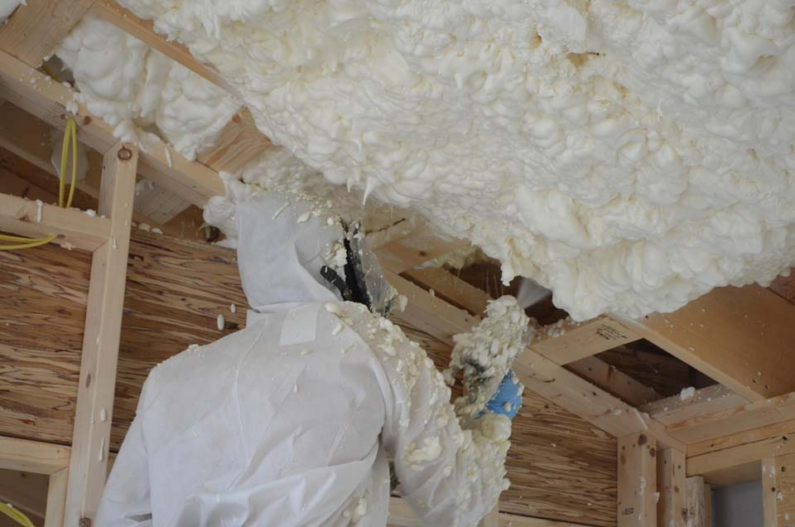
Spray foam insulation has become one of the most effective solutions for improving energy efficiency. Its ability to expand and seal gaps provides both insulation and air sealing benefits in one application.
Homeowners exploring insulation upgrades often consider open-cell spray foam insulation because of its ability to fill small cracks and cavities. This type of insulation expands significantly during installation, creating an effective air barrier that minimizes energy loss.
Another popular option is closed-cell spray foam insulation, which offers higher density and superior moisture resistance. This insulation type provides stronger structural reinforcement and improved thermal performance, making it ideal for areas that require maximum insulation efficiency.
Both solutions contribute to long-term home insulation energy savings by improving thermal performance and preventing energy waste.
Mineral Wool Insulation for Durable Performance
Mineral wool insulation offers another effective solution for homeowners seeking reliable energy efficiency and soundproofing benefits.
Mineral wool insulation is manufactured from natural stone fibers that create dense insulation layers capable of resisting heat transfer. This material offers several advantages, including excellent fire resistance, moisture resistance, and sound absorption.
Because mineral wool maintains its shape and performance over time, it provides consistent insulation value throughout the lifespan of the home. This stability helps homeowners maintain predictable energy bill savings while improving indoor comfort levels.
Insulation and HVAC Load Reduction
One of the most significant benefits of proper insulation is HVAC load reduction. When insulation minimizes heat transfer, heating and cooling systems operate more efficiently and require less energy to maintain comfortable temperatures.
Without adequate insulation, HVAC systems must run longer cycles to compensate for heat loss or heat gain. Over time, this increased workload leads to:
- Higher electricity consumption
- Increased wear and tear on equipment
- Shortened HVAC system lifespan
- Higher maintenance costs
Proper insulation reduces these issues by creating a stable indoor environment where heating and cooling systems operate under less stress.
Lower HVAC demand also contributes to quieter operation and improved system reliability.
Insulation’s Impact on Indoor Comfort
While energy savings are a major benefit, insulation also plays a crucial role in improving indoor comfort.
A properly insulated home maintains consistent temperatures across rooms and floors, eliminating cold drafts and hot spots that are common in poorly insulated houses.
Key comfort improvements include:
- Balanced indoor temperatures
- Reduced drafts and air leaks
- Better humidity control
- Improved noise reduction
These improvements enhance the overall living environment while supporting long-term insulation impact on comfort.
Homes with effective insulation also experience better indoor air quality because sealed building envelopes reduce the infiltration of outdoor pollutants and allergens.
Long-Term ROI of Home Insulation
Investing in professional insulation upgrades provides long-term financial benefits. While insulation installation requires an upfront cost, the long-term savings on energy bills and equipment maintenance often outweigh the initial investment.
Homeowners frequently see measurable ROI questions answered within a few years due to reduced utility costs.
Key financial benefits include:
- Lower monthly heating and cooling expenses
- Reduced HVAC maintenance and replacement costs
- Increased home resale value
- Improved overall energy efficiency ratings
Energy-efficient homes are increasingly attractive in the real estate market, making insulation upgrades a smart long-term investment.
Choosing the Right Insulation for Maximum Savings
Selecting the appropriate insulation type depends on several factors, including climate conditions, building structure, and desired performance.
Spray foam solutions provide superior air sealing and thermal efficiency, making them ideal for attics, crawl spaces, and wall cavities. Mineral wool insulation is often preferred for its durability, fire resistance, and soundproofing properties.
Professional insulation experts evaluate multiple factors before recommending the most effective solution, including:
- Existing insulation levels
- Air leakage areas
- Moisture conditions
- Structural layout of the home
A customized insulation strategy ensures homeowners achieve maximum home insulation energy savings while maintaining long-term performance and durability.
Professional Installation Matters
Even the best insulation materials cannot perform effectively without proper installation. Professional installers ensure insulation is applied correctly and evenly across critical areas of the home.
Experienced insulation specialists evaluate the entire building envelope to identify weak points where energy loss occurs. These areas may include attic floors, exterior walls, crawl spaces, rim joists, and basement ceilings.
A professional installation approach ensures:
- Complete air sealing coverage
- Proper insulation thickness
- Long-term material durability
- Maximum energy efficiency performance
By working with experienced professionals, homeowners can ensure their insulation investment delivers the highest possible energy savings and comfort benefits.
Conclusion
Energy efficiency begins with a well-insulated home. Proper insulation reduces heat transfer, minimizes air leakage, and lowers the workload on HVAC systems. These improvements lead directly to reduced energy consumption and long-term energy bill savings.
High-performance insulation options such as spray foam and mineral wool provide reliable thermal protection, improved comfort, and measurable cost savings. When installed by professionals, insulation upgrades deliver long-term benefits that improve both home performance and property value.
Homeowners looking to reduce monthly utility costs and improve indoor comfort should consider professional insulation solutions designed to maximize home insulation energy savings while supporting long-term efficiency and sustainability.
FAQs
Proper insulation can reduce heating and cooling costs by 15–30%, depending on the home’s current insulation condition and air leakage levels.
Spray foam insulation often provides the highest energy savings because it seals air leaks while providing strong thermal resistance.
Insulation prevents heat loss and gain, allowing HVAC systems to maintain indoor temperatures with less energy and shorter operating cycles.
Many modern insulation materials, including spray foam and mineral wool, can last 20–80 years when installed properly and maintained under normal conditions.
Yes. Insulation upgrades often pay for themselves through energy savings, improved HVAC efficiency, and increased property value.