Skip to content
  • 978-462-0082

  • info@thegreencocoon.com

  • Monday – Friday 8:00 a.m.– 4:00 p.m.

The Green Cocoon company logo
Menu
  • About Us
    • Team
    • Affiliations
    • Giving Back
  • Products
    • Open Cell Spray Foam Insulation
    • Closed Cell Spray Foam
    • Cellulose Insulation
    • Mineral Wool
    • Fiberglass
  • Portfolio
  • Testimonials
  • Blog
  • Contact
  • Careers
  • About Us
    • Team
    • Affiliations
    • Giving Back
  • Products
    • Open Cell Spray Foam Insulation
    • Closed Cell Spray Foam
    • Cellulose Insulation
    • Mineral Wool
    • Fiberglass
  • Portfolio
  • Testimonials
  • Blog
  • Contact
  • Careers

Blogs

Loading...

Please select taxonomy from 'Content > Filter Bar > Taxonomy'

fiberglass insulation

Spray Foam vs Cellulose vs Fiberglass: Which Is Best for Your Home?

News

Insulation plays a crucial role in maintaining indoor comfort, improving energy efficiency, and reducing long-term utility costs. A well-insulated home stays warmer in winter, cooler in summer, and places less strain on heating and cooling systems. Among the most widely used insulation materials today are fiberglass insulation, spray foam insulation, and cellulose insulation.

Each insulation type offers unique advantages and limitations based on thermal performance, air sealing ability, moisture resistance, durability, cost, and environmental impact. Understanding these differences is essential for choosing the most effective insulation solution for your home.

This comprehensive guide compares fiberglass insulation, spray foam benefits, and cellulose features to help homeowners make an informed and practical decision.

What Is Fiberglass Insulation?

Fiberglass insulation is one of the most traditional and widely installed insulation materials in residential construction. It is manufactured from fine strands of glass fibers and is commonly available in batts, rolls, and loose-fill forms.

How Fiberglass Insulation Works

Fiberglass insulation reduces heat transfer by trapping air within its fibrous structure. These air pockets slow the movement of heat, helping maintain consistent indoor temperatures. Its effectiveness largely depends on correct installation, as compression or gaps can reduce thermal resistance.

Fiberglass Pros & Cons

Fiberglass insulation is cost-effective and readily available, making it a popular choice for walls, ceilings, attics, and floors. It is lightweight, non-combustible, and resistant to corrosion. However, fiberglass does not provide air sealing, which means air leakage can still occur around electrical outlets, framing gaps, and duct penetrations.

Another limitation is moisture sensitivity. When fiberglass becomes damp, its insulating ability decreases, and prolonged exposure to moisture can lead to performance issues.

Homeowners considering this option can benefit from professionally installed fiberglass insulation solutions from The Green Cocoon, ensuring correct placement and long-term performance.

Spray Foam Insulation: High-Efficiency Performance

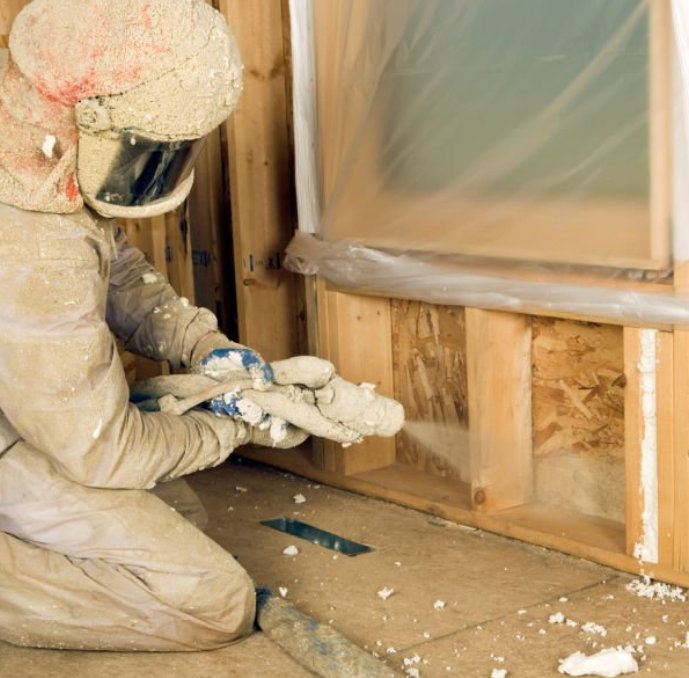
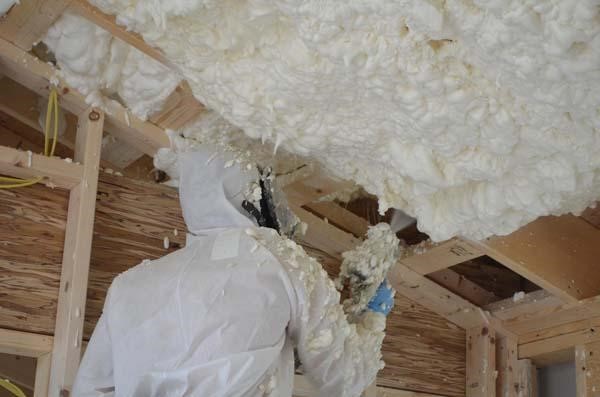
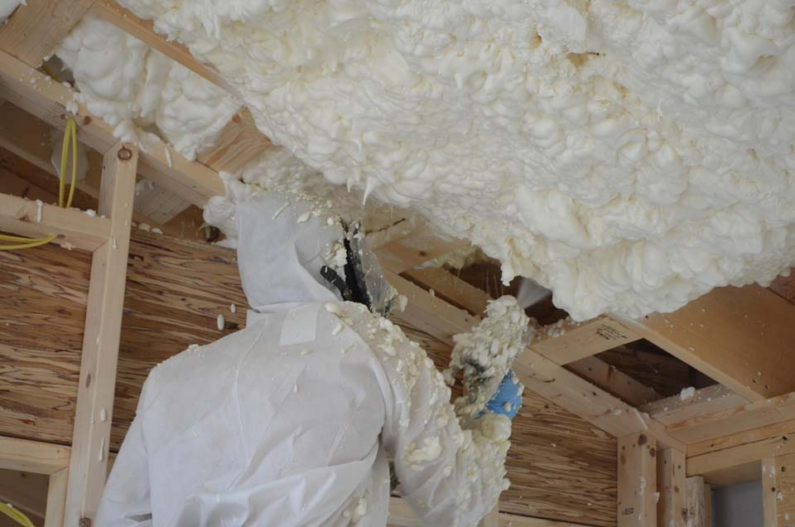
Spray foam insulation is a modern insulation solution known for its superior energy efficiency and air-sealing properties. It is applied as a liquid that expands into a solid foam, sealing cracks, gaps, and joints within building structures.

Spray Foam Benefits

One of the most significant spray foam benefits is its ability to create an airtight seal. This minimizes heat loss, reduces drafts, and prevents outdoor air infiltration. As a result, homes insulated with spray foam often experience improved indoor comfort and lower energy bills.

Spray foam insulation also helps control moisture by limiting condensation and reducing the risk of mold growth. Additionally, it enhances indoor air quality by preventing dust, pollen, and allergens from entering the home through air leaks.

Open-cell spray foam insulation, in particular, is valued for its flexibility, sound absorption properties, and cost-effectiveness compared to closed-cell foam. Homeowners can explore open-cell spray foam insulation services by The Green Cocoon for residential applications.

Considerations for Spray Foam

Spray foam insulation typically has a higher upfront cost than fiberglass insulation. However, the long-term energy savings and improved performance often offset the initial investment. Professional installation is essential to ensure proper expansion, curing, and coverage.

Understanding Cellulose Insulation

Cellulose insulation is a loose-fill insulation material made primarily from recycled paper products treated with fire-retardant additives. It is commonly blown into attics, walls, and enclosed cavities.

Cellulose Features

Cellulose insulation provides strong thermal resistance and offers better air-blocking performance than fiberglass insulation. Its dense composition limits airflow, improving overall energy efficiency and reducing heat loss.

One of the standout cellulose features is its sustainability. Cellulose insulation is considered an eco-friendly insulation option due to its high recycled content and low embodied energy during manufacturing. It also performs well in sound absorption, making it suitable for noise reduction.

Limitations of Cellulose Insulation

Over time, cellulose insulation may settle if not installed properly, which can reduce its effectiveness. Moisture exposure is another concern, as wet cellulose can lose insulating value and may require replacement. Proper sealing and ventilation are essential for long-term performance.

Fiberglass vs Spray Foam vs Cellulose: Performance Comparison

When evaluating insulation options, homeowners should consider multiple performance factors rather than cost alone.

Fiberglass insulation offers affordability and ease of installation but lacks air-sealing capabilities. Spray foam insulation delivers the highest level of energy efficiency by combining insulation and air sealing in one solution. Cellulose insulation provides a balanced approach, offering improved air control and environmental benefits at a moderate cost.

In an eco-friendly insulation comparison, cellulose insulation often ranks highly due to its recycled materials, while spray foam insulation stands out for long-term energy savings. Fiberglass insulation remains a reliable choice for homeowners seeking a budget-friendly solution.

Energy Efficiency and Thermal Performance

Energy efficiency is one of the primary reasons homeowners upgrade insulation. Spray foam insulation typically provides the highest R-value per inch and minimizes air leakage, making it the most energy-efficient option.

Fiberglass insulation offers consistent thermal resistance when installed correctly but can underperform in areas with air leaks. Cellulose insulation improves energy efficiency by reducing airflow and thermal bridging, especially in older homes.

Choosing the right insulation can significantly reduce heating and cooling costs while improving overall home comfort.

Moisture Control and Indoor Air Quality

Moisture control is essential for maintaining a healthy indoor environment. Spray foam insulation excels in this area by creating an airtight barrier that limits moisture intrusion and condensation.

Fiberglass insulation requires additional vapor barriers to manage moisture effectively. Cellulose insulation can absorb moisture, which may affect performance if exposure is prolonged.

Improved insulation also enhances indoor air quality by reducing the entry of pollutants, allergens, and outdoor contaminants.

Cost Considerations and Long-Term Value

Initial cost is an important factor when choosing insulation, but long-term value should also be considered.

Fiberglass insulation has the lowest upfront cost, making it accessible for many homeowners. Spray foam insulation has a higher initial investment but often results in lower energy bills and reduced maintenance costs over time. Cellulose insulation falls between the two, offering a balance of cost, performance, and sustainability.

A professional assessment helps determine which insulation option provides the best return on investment for your specific home.

Choosing the Best Insulation for Your Home

The ideal insulation choice depends on several factors, including climate, home design, energy goals, and budget.

Fiberglass insulation is suitable for standard residential applications where affordability is a priority. Spray foam insulation is ideal for homeowners seeking maximum energy efficiency, effective air sealing, and superior moisture control. Cellulose insulation is well-suited for environmentally conscious homeowners and retrofit projects. To determine the most suitable insulation solution for your home, you can get in touch with us for professional guidance and personalized recommendations.

For customized recommendations, homeowners can rely on expert insulation services from The Green Cocoon, ensuring the most effective solution for their property.

Importance of Professional Installation

Even the highest-quality insulation materials can fail if installed incorrectly. Professional installation ensures correct coverage, optimal R-values, and long-term durability. It also helps prevent issues such as thermal bridging, moisture buildup, and uneven insulation.

Homeowners planning an insulation upgrade can connect with The Green Cocoon’s insulation experts for professional guidance and reliable service.

Frequently Asked Questions

1. Is fiberglass insulation still effective for modern homes?

Yes, fiberglass insulation remains effective when properly installed, especially in walls and attics, though it performs best with added air sealing.

2. What makes spray foam insulation more energy efficient?

Spray foam insulation seals air leaks, reduces heat transfer, and improves indoor temperature consistency.

3. Is cellulose insulation safe for residential use?

Yes, cellulose insulation is treated with fire-retardant materials and meets safety standards when installed professionally.

4. Which insulation option provides the best moisture resistance?

Spray foam insulation offers the strongest moisture control due to its airtight sealing properties.

5. Which insulation is the most eco-friendly?

Cellulose insulation is often considered the most eco-friendly due to its recycled content, while spray foam offers long-term energy savings.

What Does a Home Insulation Contractor Do?

News

Home insulation contractors play a crucial role in enhancing residential energy efficiency, indoor comfort, and long-term structural performance. Insulation is not merely a construction add-on; it is a core building component that directly affects heat retention, air movement, moisture control, and energy consumption. When installed and managed correctly, insulation contributes to a healthier living environment and lower utility costs.

This guide explains in detail what home insulation contractors do, their responsibilities, the services offered by professional insulation companies, the difference between contractor-installed and DIY insulation, and how to choose the right insulation professionals for your home.

Understanding the Role of Home Insulation Contractors

Home insulation contractors specialize in evaluating and improving a home’s thermal envelope. Their primary objective is to reduce unwanted heat transfer and air leakage that cause energy loss and inconsistent indoor temperatures.

Unlike general contractors, insulation professionals focus specifically on building science principles such as heat flow, air infiltration, and moisture dynamics. They analyze how a home gains or loses heat through walls, roofs, floors, and framing components. Based on this analysis, they recommend insulation solutions that align with the home’s structure, age, and environmental conditions.

Many homes suffer from inefficient insulation due to outdated materials, improper installation, or hidden gaps. These issues are rarely visible to homeowners and require professional expertise to identify and correct effectively.

Insulation Contractor Duties Explained

One of the most important insulation contractor duties is conducting a comprehensive insulation assessment. Contractors inspect critical areas such as attics, wall cavities, crawl spaces, and roof assemblies to determine insulation condition and performance.

A frequent issue discovered during inspections is thermal bridging. This occurs when heat bypasses insulation through structural elements like studs, joists, or beams. Thermal bridging significantly reduces overall insulation efficiency and increases energy loss. Homeowners can gain deeper insight into this issue and its solutions by reviewing this detailed explanation of thermal bridging and home heat loss fixes.

After identifying inefficiencies, insulation contractors develop a tailored plan that may include insulation upgrades, air sealing, or material replacement. These recommendations are based on long-term performance, durability, and energy savings rather than short-term fixes.

How Insulation Installers Help Improve Energy Efficiency

Professional insulation installers help create a continuous thermal barrier around the home. This barrier slows the transfer of heat, maintaining stable indoor temperatures throughout the year and reducing dependence on heating and cooling systems.

Correct installation is essential. Even premium insulation materials can underperform if installed incorrectly. Gaps, compression, uneven coverage, or improper sealing can compromise effectiveness. Insulation installers ensure materials are applied with the correct thickness, alignment, and coverage to maximize performance.

By reducing air leakage and thermal loss, insulation installers help homeowners lower energy bills, enhance indoor comfort, and improve indoor air quality. Partnering with a trusted insulation provider like The Green Cocoon ensures that insulation solutions are aligned with modern energy efficiency and sustainability standards.

Home Insulation Company Services Explained

A professional home insulation company provides a wide range of services designed to improve insulation performance across the entire house. These services typically include attic insulation, wall insulation, floor insulation, and crawl space insulation.

Material selection is a critical part of the process. Different areas of a home require different insulation solutions, and contractors help homeowners choose materials based on performance requirements, budget, and environmental considerations.

For example, open cell spray foam insulation is widely used for its air-sealing capabilities. It expands to fill gaps and cavities, making it particularly effective in walls and roof assemblies where air leakage is a concern. Its flexibility also allows it to adapt to minor structural movement without losing effectiveness.

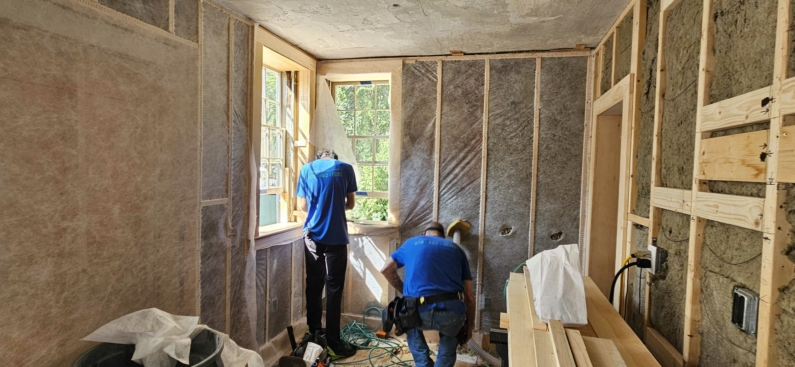
Another commonly used option is fiberglass insulation, known for its affordability and reliable thermal resistance. When installed by professionals, fiberglass insulation provides consistent coverage and dependable performance across many residential applications.

Contractor vs DIY Insulation: Key Differences

The comparison between hiring a professional contractor and attempting DIY insulation often focuses on cost, but performance and long-term results are far more important factors.

Professional insulation contractors understand how insulation interacts with ventilation systems, vapor barriers, and moisture control. DIY insulation projects often overlook these interactions, leading to issues such as condensation, mold growth, or uneven indoor temperatures.

Safety is another major consideration. Certain insulation materials, particularly spray foam, require specialized equipment and training. Professional contractors follow strict safety standards and building codes to ensure correct installation and occupant safety.

In most cases, contractor-installed insulation delivers superior energy efficiency, durability, and peace of mind compared to DIY solutions.

Choosing Insulation Pros for Your Home

Choosing the right insulation professionals requires careful evaluation. Homeowners should look for contractors who conduct detailed inspections rather than offering one-size-fits-all solutions.

Experienced home insulation contractors explain material options clearly, outline expected performance improvements, and provide transparent pricing and timelines. Their recommendations should be tailored to the home’s specific structure and energy goals.

Contractors who prioritize energy efficiency and sustainable practices add long-term value. Their approach ensures insulation improvements reduce environmental impact while delivering consistent comfort.

If you are considering professional insulation services or need expert advice, you can contact insulation specialists at The Green Cocoon to discuss customized solutions for your home.

Long-Term Benefits of Professional Insulation

Professional insulation provides benefits that extend well beyond immediate energy savings. Proper insulation helps maintain consistent indoor temperatures, reduces strain on HVAC systems, and contributes to lower maintenance costs.

Insulation also plays a critical role in protecting structural components from moisture damage. By controlling condensation and air movement, insulation helps preserve walls, roofs, and framing over time.

Homes with high-quality insulation often perform better during energy assessments and are more attractive to environmentally conscious buyers. Investing in professional insulation improves both living comfort and property value.

Why Expertise Matters in Insulation Projects

Insulation performance depends on precision. Small installation errors can lead to significant energy loss over time. Professional insulation contractors bring experience, technical knowledge, and specialized tools that ensure insulation systems perform as intended.

They also stay updated with building codes, material innovations, and energy efficiency standards. This expertise allows them to deliver solutions that are compliant, effective, and future-ready.

Choosing professional insulation services is not just an upgrade; it is a long-term investment in comfort, efficiency, and building durability.

Frequently Asked Questions (FAQs)

1. What does a home insulation contractor do?

A home insulation contractor assesses, installs, and upgrades insulation systems to reduce heat loss, improve energy efficiency, and enhance indoor comfort.

2. How do insulation installers help reduce energy costs?

They minimize air leakage and thermal transfer, allowing heating and cooling systems to operate more efficiently.

3. Is professional insulation better than DIY insulation?

Yes, professional insulation ensures correct installation, proper material selection, and compliance with safety and building standards.

4. What insulation materials do contractors commonly use?

Common materials include open-cell spray foam and fiberglass insulation, selected based on application and performance needs.

5. How can I choose the right insulation contractor?

Look for experience, detailed inspections, transparent communication, and a strong focus on energy efficiency.

thegreencocoon

Correcting Closed-Cell Spray Foam Failure in a Residential Roof

Projects

We were contacted by a homeowner whose recently renovated home was experiencing roof performance issues less than two years after project completion. The roof displayed cupping and unusual snow-melt patterns. Upon inspection, we discovered that the original closed-cell spray foam—installed by another contractor—was shrinking and separating. Core samples confirmed our assessment. Importantly, our team did not install the original foam; we were brought in specifically to correct the issue.

The homeowner had removed the shingles and sheathing, allowing us to fully remove the failing foam. This was a meticulous process, as many roof slopes corresponded with cathedral ceilings, which required careful handling to avoid interior damage. Additional complexity arose in attic spaces and inaccessible kneewall areas, making cleanup and preparation challenging.

The Green Cocoon   The Green Cocoon

To properly reapply spray foam, we installed friction-fit foam board as a backing substrate in difficult areas, providing a secure surface for the new closed-cell foam. Interior attic areas were then sprayed and coated with intumescent paint to meet fire-protection requirements. Throughout the project, our team maintained strict fall protection, coordinated closely with the roofing contractor, and worked around weather constraints to ensure safety and efficiency.

The Green Cocoon

The project was successfully completed, restoring the roof’s integrity, energy efficiency, and long-term performance. The homeowner was extremely satisfied with the results and subsequently scheduled work on their second property. This project demonstrates our team’s expertise in problem-solving, precision application, and delivering high-quality spray foam solutions even under challenging conditions.

   The Green Cocoon

thegreencocoon

40 Feet Up: Emergency Roof Repair Under Extreme Conditions

Projects

This project involved the emergency remediation of a newly constructed barn that experienced a catastrophic roof failure of unprecedented scale. The original roof assembly utilized SIP panels; however, in less than three years, severe moisture intrusion led to extensive rot. The roof sheathing had deteriorated so completely that it would turn to powder when compressed by hand, putting the entire structure at risk.

The contractor engaged our team to stabilize and repair the roof assembly by applying closed-cell spray polyurethane foam from the exterior—a solution that is typically straightforward but, in this case, presented significant technical and logistical challenges. The project took place during the onset of winter, with ambient temperatures frequently dropping near 30°F. These conditions raised serious concerns regarding proper foam adhesion and cure. Compounding the issue were repeated rain and snow events and sustained high winds, all of which forced constant rescheduling and required precise timing to execute each phase safely and effectively.

The Green Cocoon   The Green Cocoon

Due to the urgency of the failure and an already full production schedule, our team accommodated the project as an emergency repair. The work had to be completed in carefully sequenced sections so that each area could be sprayed and immediately re-roofed, minimizing exposure to the elements. Adding to the complexity, the roof elevation reached approximately 40 feet, necessitating strict fall-protection measures and detailed safety planning throughout the project.

The Green Cocoon

Through careful coordination, weather monitoring, and disciplined execution, our crews completed the work on schedule despite the adverse conditions. The result was a stabilized, protected roof assembly that restored the structural integrity of the barn and prevented further deterioration. This project highlights our team’s ability to respond rapidly, adapt to challenging environments, and deliver high-quality spray foam solutions under extreme conditions—ultimately saving the customer’s barn.

The Green Cocoon

Historic Residential Renovation

Projects
This 7-bedroom, 6.5-bath, 7,415-square-foot oceanfront residence in Beverly, Massachusetts—known historically as Burnside—is a landmark New England estate originally constructed in 1857. Over its 170-year history, the home remained in the same family for six generations and evolved through multiple architectural periods, including Classical Revival and Queen Anne influences. The property features expansive grounds overlooking Plum Cove, numerous fireplaces, and sweeping ocean views, making it a significant example of historic coastal architecture.

The Green Cocoon   The Green Cocoon

Following its sale in March 2024, the new owner undertook a comprehensive restoration with the goal of improving energy performance while returning the home to its former grandeur. To achieve this, the structure was fully gutted to the studs, allowing for a modern, high-performance building envelope to be integrated within the historic framework.

The Green Cocoon   The Green Cocoon

Our team installed 7 inches of closed-cell spray polyurethane foam along all rooflines, 3 inches of closed-cell spray foam in the exterior wall assemblies, and 4 inches of closed-cell spray foam on all basement ceilings. This approach created a continuous air, vapor, and thermal barrier throughout the building, dramatically improving energy efficiency, indoor comfort, and moisture control. In addition to thermal performance, the closed-cell foam added measurable structural rigidity—an important benefit for a 19th-century coastal home exposed to harsh marine conditions.

The Green Cocoon   The Green Cocoon

Despite the challenges inherent in working within a historic structure, our crews delivered a precise and consistent installation. Exceptional speed, attention to detail, and jobsite cleanliness allowed the project to be completed under both time and material projections. The result is a historically significant home that now meets modern performance expectations while preserving its architectural legacy—reflecting our team’s commitment to quality, professionalism, and excellence in spray foam application.

The Green Cocoon   The Green Cocoon

Ultra Efficient Waterfront Home

Projects

This 12,000-square-foot oceanfront residence in Newcastle, New Hampshire exemplifies the seamless integration of high-performance building science with exceptional architectural design. From the ground up, energy efficiency and durability were central to the construction strategy.

The home’s foundation was constructed using insulated concrete forms (ICFs), establishing a strong and highly efficient thermal base. Above grade, the entire structure was wrapped in continuous exterior insulation to minimize thermal bridging and maximize overall envelope performance. Building on this foundation, our team installed 7 inches of closed-cell spray polyurethane foam along all rooflines and 2 inches of closed-cell spray foam in the exterior wall assemblies, creating a robust, continuous air and vapor barrier throughout the home.

The Green Cocoon used ROCKWOOL Comfortboard® 80 on Arlington home   The Green Cocoon used ROCKWOOL Comfortboard® 80 on Arlington home

Architecturally, the project presented unique challenges. Numerous cathedral ceilings and complex roof geometries required extensive multi-level staging, strict fall-protection protocols, and careful coordination to ensure both safety and precision. Additionally, the extensive use of LVL framing demanded advance planning; all LVL members were adhesive-primed weeks ahead of installation to guarantee proper foam adhesion and long-term performance.

The Green Cocoon used ROCKWOOL Comfortboard® 80 on Arlington home

Despite these complexities, our crews delivered a consistently high-quality installation. Uniform foam application, clean transitions, and meticulous attention to detail were maintained throughout the project, all while keeping a clean and organized jobsite. The finished result is a high-performance coastal home that balances comfort, efficiency, and durability—showcasing our team’s technical expertise, professionalism, and commitment to excellence in spray foam installation.

1 2 … 20 Next »
Recent Posts
  • Spray Foam vs Cellulose vs Fiberglass: Which Is Best for Your Home?
  • What Does a Home Insulation Contractor Do?
  • Correcting Closed-Cell Spray Foam Failure in a Residential Roof
  • 40 Feet Up: Emergency Roof Repair Under Extreme Conditions
  • Historic Residential Renovation
Categories
  • Attic Insulation
  • Basement Insulation
  • Blog
  • Building Code
  • Cellulose
  • Closed Cell
  • Core Values
  • Energy Efficiency Tips
  • Fiberglass
  • Financing
  • Giving Back
  • Home Maintenance Tips
  • Insulation Tips
  • News
  • News and Awards
  • Open Cell
  • Passive
  • Projects
  • R-Value
  • Renovation Tips
  • Rockwool (Mineral Wool)
  • Save Money
  • Spray Foam
  • Sustainability Tips
  • Thermal Bridging
  • Vapor Barriers

The Green Cocoon, LLC (TGC) delivers energy-efficient, eco-friendly insulation solutions to residences and businesses throughout Massachusetts, New Hampshire, and Southern Maine.

Quick Links

  • Financing
  • FAQs
  • Careers
  • About
  • Contact
  • Privacy Policy
  • Terms & Conditions

Our Products

  • Open Cell Spray Foam Insulation
  • Closed Cell Spray Foam
  • Cellulose Insulation
  • Mineral Wool Insulation
  • Fiberglass Insulation

Contact

  • The Green Cocoon, LLC 107 Elm Street, Rear Salisbury, MA 01952

  • info@thegreencocoon.com

  • 978-462-0082

Sign up for our Newsletter!

© Copyright 2024 The Green Cocoon All Rights Reserved

Design & Developed by : 8 Waves Creative