


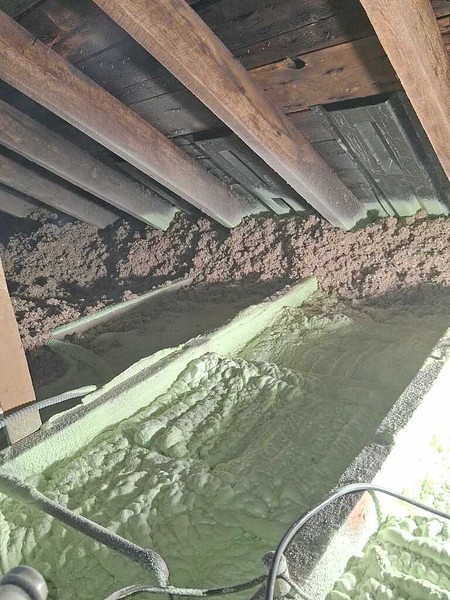
Choosing insulation for a home is not simply about picking the material with the highest insulation rating. Every home has different needs depending on its age, construction, climate, attic or wall design, and existing insulation. Foam, fiberglass, and cellulose can all improve indoor comfort, but they work differently and suit different situations.At The Green Cocoon, homeowners can explore insulation options based on their property’s specific needs rather than choosing a material based only on price or popularity.
Whether you are dealing with a drafty attic, uncomfortable rooms, high heating and cooling costs, or an older home that needs an insulation upgrade, the right material can make a noticeable difference. This guide from The Green Cocoon compares foam, fiberglass, and cellulose, explains where each option works best, and highlights the key factors to consider before starting an insulation project.
Key Takeaways
- Foam can provide strong air sealing in many applications.
- Fiberglass can be a practical choice for many standard spaces.
- Cellulose can work well in suitable attics and wall cavities.
- Installation quality matters as much as material choice.
- The best insulation depends on the space, building, and project goals.
What Makes an Insulation Material a Good Choice?
A good insulation material should match the part of the home where it will be installed. An attic may need a different solution from a wall cavity. Before choosing a product, think about heat flow, air leaks, moisture, sound, available space, and cost. The goal is to create a comfortable and efficient building envelope.
Foam, Fiberglass, or Cellulose: What Is the Difference?
Foam, fiberglass, and cellulose are common insulation choices, but they are not interchangeable. Foam is applied as a liquid and expands or cures in place. Fiberglass uses glass fibers to slow heat movement. Cellulose is made mainly from paper fibers and is often blown into cavities.
Each material has strengths, limits, and different installation needs. The right option depends on the building. A space with many gaps may need air sealing, while an open attic floor may suit loose-fill material. Good planning starts with the space rather than the product name.
Spray Foam vs Fiberglass
The biggest difference between spray foam and fiberglass is air sealing. Foam can expand into gaps and create an air barrier when properly installed. Fiberglass slows heat movement but does not seal every opening around framing, wires, pipes, and other penetrations.
Fiberglass can fit many standard cavities, while foam can address insulation and air leakage together.
When Does Foam Make Sense?
Foam can suit air leaks, limited space, irregular areas, and tight retrofit spaces where air leakage is a major concern.
Foam is not automatically best for every room. Product type, moisture, ventilation, and building design should be reviewed before installation.
Cellulose vs. Fiberglass
The main differences between cellulose and fiberglass are how the materials are made and installed. Cellulose uses recycled paper fibers and is commonly blown into attics and wall cavities. Fiberglass is made from glass fibers and is available in batts, rolls, and loose-fill forms.
Both can provide useful thermal resistance when installed correctly. Gaps, compression, settling, and poor coverage can reduce performance.
Which Material Fits a Typical Home?
Fiberglass can suit open cavities, floors, ceilings, and many attic areas. Cellulose may help where blown coverage is preferred. Consider cavity size, insulation level, access, moisture, and air sealing needs.
Comparing Insulation Types for Your Home
A useful home insulation comparison should look beyond price. Each material has strengths that may matter more in one part of the house than another. For example, an attic with plenty of open floor area may have different needs from a finished wall with wiring and plumbing inside it.
Fiberglass for Budget-Focused Projects
Fiberglass insulation can be a useful option when budget and simple installation are major concerns. It can be installed in walls, ceilings, floors, and attics when the space is suitable. Batts and rolls are easy to recognize and are available in different thicknesses.
The material slows heat transfer, but gaps or compression can reduce performance. Air sealing may also be needed around openings.
Cellulose for Attics and Walls
Cellulose can be a useful choice for spaces where blown insulation can spread across an area. It can fill around some framing and other obstacles, making it suitable for certain retrofit projects. It also contains a high percentage of recycled material.
Cellulose attic insulation can be useful when an attic floor needs additional coverage. Before adding it, check for moisture, air leaks, wiring concerns, and ventilation. Insulation should not be used to hide an existing building problem.
Foam Options: Open Cell and Closed Cell
Foam insulation comes in different forms. Open-cell and closed-cell products have different properties, so they should not be treated as the same material. The choice depends on available space, moisture concerns, performance goals, and the building assembly.
Open Cell Foam
Open cell spray foam insulation is lighter and expands to fill spaces. It can provide air sealing and may help with sound control. It usually needs more depth to reach a desired insulation level than denser foam. It can work in selected walls and roof areas when there is enough room. The full assembly should be reviewed before application.
Closed Cell Foam
Closed-cell spray foam insulation is denser and offers higher insulation value per inch than open-cell foam. It can also help control moisture in suitable applications. This makes it useful when space is limited or when the project needs more performance from a thinner layer. Cost, moisture, ventilation, and the existing structure should still be reviewed.
What About Mineral Wool?
Mineral wool insulation is another option worth considering when fire performance, sound control, and thermal comfort are priorities. It is commonly available as batts or boards and can work in suitable walls, ceilings, floors, and other assemblies. It is not a direct replacement for every product. It needs to fit the cavity correctly, and air sealing may still be needed.
Choosing Attic Insulation
The attic is one of the most important areas to review because heat can move between the living space and the roof area. The best attic insulation depends on whether you are insulating the attic floor or the roof line. An open attic floor may work well with blown cellulose or fiberglass. A roof assembly may need a different approach. Check moisture, ventilation, wiring, and existing insulation first.
What Should You Check First?
Before choosing a product, check the attic for moisture, drafts, gaps, damaged insulation, and ventilation. An inspection can prevent insulation from being added where repairs are needed and show whether the project should focus on the floor, roof line, or both.
Choosing Wall Insulation
Wall cavities may contain wires, pipes, outlets, windows, and framing. Access can also be limited. The choice depends on whether walls are open or already finished.
Open Walls vs Existing Walls
Open walls give installers more choices because the cavity is visible. Batts, mineral wool, cellulose, or foam may suit the assembly. Existing walls may require blown materials or selected access points. Complete coverage is key. Gaps or air leaks can reduce the value of the upgrade.
Cost vs Long-Term Value
Price matters, but the lowest upfront cost does not always provide the best long-term value. A less expensive product may need extra air sealing or installation work. A higher-cost system may provide benefits that reduce drafts and improve comfort. Compare material, labor, preparation, air sealing, repairs, and expected service life.
Why Installation Quality Matters
Even the best material can perform poorly when it is installed incorrectly. Gaps, compression, uneven coverage, and poor air sealing can all reduce the benefit of an insulation upgrade. Installation should be treated as part of the insulation choice. Professional planning can match the material to the space and identify moisture or access issues before installation.
How to Choose the Best Insulation
There is no single best insulation for every home. Foam may be a strong choice for air sealing and tight areas. Fiberglass may suit a budget-focused project. Cellulose can work well for certain attic and wall applications. Mineral wool may be useful where fire and sound performance matter.
Start with the problem you want to solve. Then consider the area, air sealing, space, moisture, ventilation, budget, and long-term goals. A thoughtful assessment can also help prevent unnecessary work and make the final insulation investment more effective.
Final Thoughts
Choosing insulation for a home is about more than comparing product names. Foam, fiberglass, cellulose, and other materials can all have a place in a well-insulated home. The right option depends on the building assembly, installation area, air leakage, moisture, comfort goals, and budget.
A good upgrade should control heat movement, reduce drafts, and support comfortable indoor spaces. Proper installation is just as important as the insulation material itself.
The Green Cocoon can help homeowners compare insulation solutions and understand which approach fits their property. Ready to improve your home’s comfort and energy performance? Contact The Green Cocoon today to discuss your insulation needs and find the right solution for your property.