


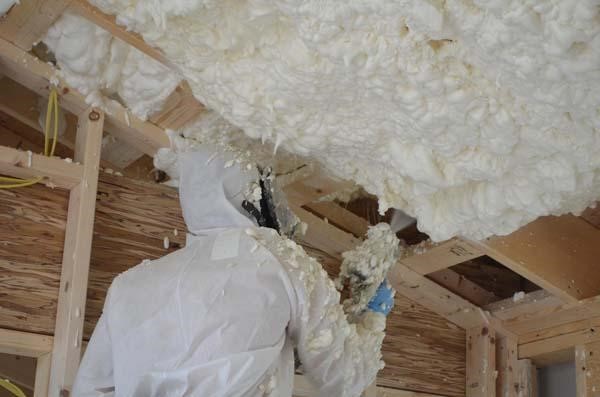
Home insulation contractors play a crucial role in enhancing residential energy efficiency, indoor comfort, and long-term structural performance. Insulation is not merely a construction add-on; it is a core building component that directly affects heat retention, air movement, moisture control, and energy consumption. When installed and managed correctly, insulation contributes to a healthier living environment and lower utility costs.
This guide explains in detail what home insulation contractors do, their responsibilities, the services offered by professional insulation companies, the difference between contractor-installed and DIY insulation, and how to choose the right insulation professionals for your home.
Understanding the Role of Home Insulation Contractors
Home insulation contractors specialize in evaluating and improving a home’s thermal envelope. Their primary objective is to reduce unwanted heat transfer and air leakage that cause energy loss and inconsistent indoor temperatures.
Unlike general contractors, insulation professionals focus specifically on building science principles such as heat flow, air infiltration, and moisture dynamics. They analyze how a home gains or loses heat through walls, roofs, floors, and framing components. Based on this analysis, they recommend insulation solutions that align with the home’s structure, age, and environmental conditions.
Many homes suffer from inefficient insulation due to outdated materials, improper installation, or hidden gaps. These issues are rarely visible to homeowners and require professional expertise to identify and correct effectively.
Insulation Contractor Duties Explained
One of the most important insulation contractor duties is conducting a comprehensive insulation assessment. Contractors inspect critical areas such as attics, wall cavities, crawl spaces, and roof assemblies to determine insulation condition and performance.
A frequent issue discovered during inspections is thermal bridging. This occurs when heat bypasses insulation through structural elements like studs, joists, or beams. Thermal bridging significantly reduces overall insulation efficiency and increases energy loss. Homeowners can gain deeper insight into this issue and its solutions by reviewing this detailed explanation of thermal bridging and home heat loss fixes.
After identifying inefficiencies, insulation contractors develop a tailored plan that may include insulation upgrades, air sealing, or material replacement. These recommendations are based on long-term performance, durability, and energy savings rather than short-term fixes.
How Insulation Installers Help Improve Energy Efficiency
Professional insulation installers help create a continuous thermal barrier around the home. This barrier slows the transfer of heat, maintaining stable indoor temperatures throughout the year and reducing dependence on heating and cooling systems.
Correct installation is essential. Even premium insulation materials can underperform if installed incorrectly. Gaps, compression, uneven coverage, or improper sealing can compromise effectiveness. Insulation installers ensure materials are applied with the correct thickness, alignment, and coverage to maximize performance.
By reducing air leakage and thermal loss, insulation installers help homeowners lower energy bills, enhance indoor comfort, and improve indoor air quality. Partnering with a trusted insulation provider like The Green Cocoon ensures that insulation solutions are aligned with modern energy efficiency and sustainability standards.
Home Insulation Company Services Explained
A professional home insulation company provides a wide range of services designed to improve insulation performance across the entire house. These services typically include attic insulation, wall insulation, floor insulation, and crawl space insulation.
Material selection is a critical part of the process. Different areas of a home require different insulation solutions, and contractors help homeowners choose materials based on performance requirements, budget, and environmental considerations.
For example, open cell spray foam insulation is widely used for its air-sealing capabilities. It expands to fill gaps and cavities, making it particularly effective in walls and roof assemblies where air leakage is a concern. Its flexibility also allows it to adapt to minor structural movement without losing effectiveness.
Another commonly used option is fiberglass insulation, known for its affordability and reliable thermal resistance. When installed by professionals, fiberglass insulation provides consistent coverage and dependable performance across many residential applications.
Contractor vs DIY Insulation: Key Differences
The comparison between hiring a professional contractor and attempting DIY insulation often focuses on cost, but performance and long-term results are far more important factors.
Professional insulation contractors understand how insulation interacts with ventilation systems, vapor barriers, and moisture control. DIY insulation projects often overlook these interactions, leading to issues such as condensation, mold growth, or uneven indoor temperatures.
Safety is another major consideration. Certain insulation materials, particularly spray foam, require specialized equipment and training. Professional contractors follow strict safety standards and building codes to ensure correct installation and occupant safety.
In most cases, contractor-installed insulation delivers superior energy efficiency, durability, and peace of mind compared to DIY solutions.
Choosing Insulation Pros for Your Home
Choosing the right insulation professionals requires careful evaluation. Homeowners should look for contractors who conduct detailed inspections rather than offering one-size-fits-all solutions.
Experienced home insulation contractors explain material options clearly, outline expected performance improvements, and provide transparent pricing and timelines. Their recommendations should be tailored to the home’s specific structure and energy goals.
Contractors who prioritize energy efficiency and sustainable practices add long-term value. Their approach ensures insulation improvements reduce environmental impact while delivering consistent comfort.
If you are considering professional insulation services or need expert advice, you can contact insulation specialists at The Green Cocoon to discuss customized solutions for your home.
Long-Term Benefits of Professional Insulation
Professional insulation provides benefits that extend well beyond immediate energy savings. Proper insulation helps maintain consistent indoor temperatures, reduces strain on HVAC systems, and contributes to lower maintenance costs.
Insulation also plays a critical role in protecting structural components from moisture damage. By controlling condensation and air movement, insulation helps preserve walls, roofs, and framing over time.
Homes with high-quality insulation often perform better during energy assessments and are more attractive to environmentally conscious buyers. Investing in professional insulation improves both living comfort and property value.
Why Expertise Matters in Insulation Projects
Insulation performance depends on precision. Small installation errors can lead to significant energy loss over time. Professional insulation contractors bring experience, technical knowledge, and specialized tools that ensure insulation systems perform as intended.
They also stay updated with building codes, material innovations, and energy efficiency standards. This expertise allows them to deliver solutions that are compliant, effective, and future-ready.
Choosing professional insulation services is not just an upgrade; it is a long-term investment in comfort, efficiency, and building durability.
Frequently Asked Questions (FAQs)
1. What does a home insulation contractor do?
A home insulation contractor assesses, installs, and upgrades insulation systems to reduce heat loss, improve energy efficiency, and enhance indoor comfort.
2. How do insulation installers help reduce energy costs?
They minimize air leakage and thermal transfer, allowing heating and cooling systems to operate more efficiently.
3. Is professional insulation better than DIY insulation?
Yes, professional insulation ensures correct installation, proper material selection, and compliance with safety and building standards.
4. What insulation materials do contractors commonly use?
Common materials include open-cell spray foam and fiberglass insulation, selected based on application and performance needs.
5. How can I choose the right insulation contractor?
Look for experience, detailed inspections, transparent communication, and a strong focus on energy efficiency.