



Insulation plays a crucial role in maintaining indoor comfort, improving energy efficiency, and reducing long-term utility costs. A well-insulated home stays warmer in winter, cooler in summer, and places less strain on heating and cooling systems. Among the most widely used insulation materials today are fiberglass insulation, spray foam insulation, and cellulose insulation.
Each insulation type offers unique advantages and limitations based on thermal performance, air sealing ability, moisture resistance, durability, cost, and environmental impact. Understanding these differences is essential for choosing the most effective insulation solution for your home.
This comprehensive guide compares fiberglass insulation, spray foam benefits, and cellulose features to help homeowners make an informed and practical decision.
What Is Fiberglass Insulation?
Fiberglass insulation is one of the most traditional and widely installed insulation materials in residential construction. It is manufactured from fine strands of glass fibers and is commonly available in batts, rolls, and loose-fill forms.
How Fiberglass Insulation Works
Fiberglass insulation reduces heat transfer by trapping air within its fibrous structure. These air pockets slow the movement of heat, helping maintain consistent indoor temperatures. Its effectiveness largely depends on correct installation, as compression or gaps can reduce thermal resistance.
Fiberglass Pros & Cons
Fiberglass insulation is cost-effective and readily available, making it a popular choice for walls, ceilings, attics, and floors. It is lightweight, non-combustible, and resistant to corrosion. However, fiberglass does not provide air sealing, which means air leakage can still occur around electrical outlets, framing gaps, and duct penetrations.
Another limitation is moisture sensitivity. When fiberglass becomes damp, its insulating ability decreases, and prolonged exposure to moisture can lead to performance issues.
Homeowners considering this option can benefit from professionally installed fiberglass insulation solutions from The Green Cocoon, ensuring correct placement and long-term performance.
Spray Foam Insulation: High-Efficiency Performance
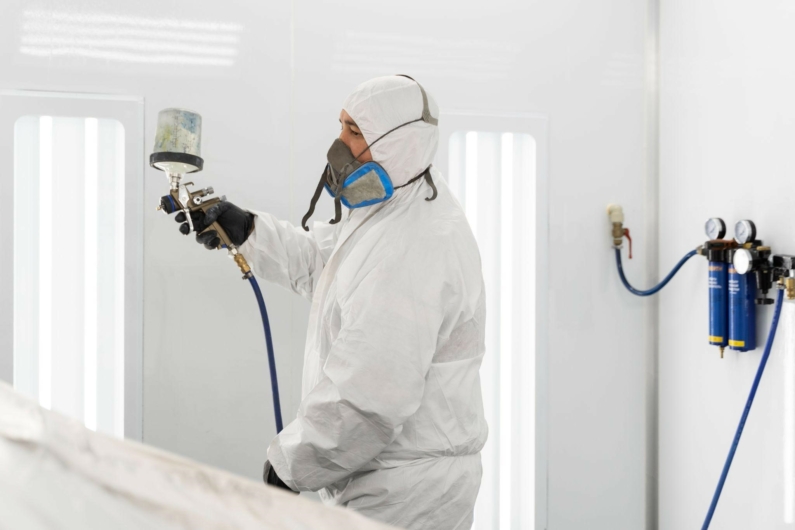
Spray foam insulation is a modern insulation solution known for its superior energy efficiency and air-sealing properties. It is applied as a liquid that expands into a solid foam, sealing cracks, gaps, and joints within building structures.
Spray Foam Benefits
One of the most significant spray foam benefits is its ability to create an airtight seal. This minimizes heat loss, reduces drafts, and prevents outdoor air infiltration. As a result, homes insulated with spray foam often experience improved indoor comfort and lower energy bills.
Spray foam insulation also helps control moisture by limiting condensation and reducing the risk of mold growth. Additionally, it enhances indoor air quality by preventing dust, pollen, and allergens from entering the home through air leaks.
Open-cell spray foam insulation, in particular, is valued for its flexibility, sound absorption properties, and cost-effectiveness compared to closed-cell foam. Homeowners can explore open-cell spray foam insulation services by The Green Cocoon for residential applications.
Considerations for Spray Foam
Spray foam insulation typically has a higher upfront cost than fiberglass insulation. However, the long-term energy savings and improved performance often offset the initial investment. Professional installation is essential to ensure proper expansion, curing, and coverage.
Understanding Cellulose Insulation
Cellulose insulation is a loose-fill insulation material made primarily from recycled paper products treated with fire-retardant additives. It is commonly blown into attics, walls, and enclosed cavities.
Cellulose Features
Cellulose insulation provides strong thermal resistance and offers better air-blocking performance than fiberglass insulation. Its dense composition limits airflow, improving overall energy efficiency and reducing heat loss.
One of the standout cellulose features is its sustainability. Cellulose insulation is considered an eco-friendly insulation option due to its high recycled content and low embodied energy during manufacturing. It also performs well in sound absorption, making it suitable for noise reduction.
Limitations of Cellulose Insulation
Over time, cellulose insulation may settle if not installed properly, which can reduce its effectiveness. Moisture exposure is another concern, as wet cellulose can lose insulating value and may require replacement. Proper sealing and ventilation are essential for long-term performance.
Fiberglass vs Spray Foam vs Cellulose: Performance Comparison
When evaluating insulation options, homeowners should consider multiple performance factors rather than cost alone.
Fiberglass insulation offers affordability and ease of installation but lacks air-sealing capabilities. Spray foam insulation delivers the highest level of energy efficiency by combining insulation and air sealing in one solution. Cellulose insulation provides a balanced approach, offering improved air control and environmental benefits at a moderate cost.
In an eco-friendly insulation comparison, cellulose insulation often ranks highly due to its recycled materials, while spray foam insulation stands out for long-term energy savings. Fiberglass insulation remains a reliable choice for homeowners seeking a budget-friendly solution.
Energy Efficiency and Thermal Performance
Energy efficiency is one of the primary reasons homeowners upgrade insulation. Spray foam insulation typically provides the highest R-value per inch and minimizes air leakage, making it the most energy-efficient option.
Fiberglass insulation offers consistent thermal resistance when installed correctly but can underperform in areas with air leaks. Cellulose insulation improves energy efficiency by reducing airflow and thermal bridging, especially in older homes.
Choosing the right insulation can significantly reduce heating and cooling costs while improving overall home comfort.
Moisture Control and Indoor Air Quality
Moisture control is essential for maintaining a healthy indoor environment. Spray foam insulation excels in this area by creating an airtight barrier that limits moisture intrusion and condensation.
Fiberglass insulation requires additional vapor barriers to manage moisture effectively. Cellulose insulation can absorb moisture, which may affect performance if exposure is prolonged.
Improved insulation also enhances indoor air quality by reducing the entry of pollutants, allergens, and outdoor contaminants.
Cost Considerations and Long-Term Value
Initial cost is an important factor when choosing insulation, but long-term value should also be considered.
Fiberglass insulation has the lowest upfront cost, making it accessible for many homeowners. Spray foam insulation has a higher initial investment but often results in lower energy bills and reduced maintenance costs over time. Cellulose insulation falls between the two, offering a balance of cost, performance, and sustainability.
A professional assessment helps determine which insulation option provides the best return on investment for your specific home.
Choosing the Best Insulation for Your Home
The ideal insulation choice depends on several factors, including climate, home design, energy goals, and budget.
Fiberglass insulation is suitable for standard residential applications where affordability is a priority. Spray foam insulation is ideal for homeowners seeking maximum energy efficiency, effective air sealing, and superior moisture control. Cellulose insulation is well-suited for environmentally conscious homeowners and retrofit projects. To determine the most suitable insulation solution for your home, you can get in touch with us for professional guidance and personalized recommendations.
For customized recommendations, homeowners can rely on expert insulation services from The Green Cocoon, ensuring the most effective solution for their property.
Importance of Professional Installation
Even the highest-quality insulation materials can fail if installed incorrectly. Professional installation ensures correct coverage, optimal R-values, and long-term durability. It also helps prevent issues such as thermal bridging, moisture buildup, and uneven insulation.
Homeowners planning an insulation upgrade can connect with The Green Cocoon’s insulation experts for professional guidance and reliable service.
Frequently Asked Questions
1. Is fiberglass insulation still effective for modern homes?
Yes, fiberglass insulation remains effective when properly installed, especially in walls and attics, though it performs best with added air sealing.
2. What makes spray foam insulation more energy efficient?
Spray foam insulation seals air leaks, reduces heat transfer, and improves indoor temperature consistency.
3. Is cellulose insulation safe for residential use?
Yes, cellulose insulation is treated with fire-retardant materials and meets safety standards when installed professionally.
4. Which insulation option provides the best moisture resistance?
Spray foam insulation offers the strongest moisture control due to its airtight sealing properties.
5. Which insulation is the most eco-friendly?
Cellulose insulation is often considered the most eco-friendly due to its recycled content, while spray foam offers long-term energy savings.