


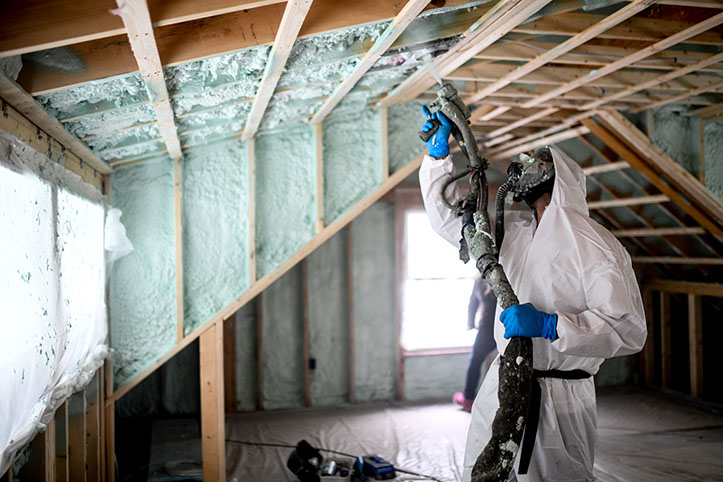
Homeowners today are paying closer attention to energy efficiency, indoor comfort, and long term utility savings. As heating and cooling costs continue to rise, more people are investing in better insulation solutions to improve their home’s performance. Spray foam insulation has become one of the most popular choices because of its strong air sealing capabilities and long lasting energy benefits. With The Green Cocoon, homeowners are discovering that spray foam insulation can dramatically improve comfort while helping reduce energy waste throughout the home.
One of the most common questions homeowners ask before starting a project is how much spray foam insulation will cost. The answer depends on several important factors, including the type of foam, the size of the area, the condition of the space, and the level of insulation needed. Understanding these factors helps homeowners set realistic expectations before moving forward with an insulation upgrade.
Why Spray Foam Insulation Costs Vary Between Homes
No two homes are exactly the same, which means spray foam insulation projects can vary greatly in scope and complexity. Some homes require only attic insulation upgrades, while others may need complete crawl space, wall, and basement insulation.
The total project size, accessibility of the area, and condition of existing insulation all influence the final investment.
Several factors impact pricing, including:
- Total square footage
- Type of spray foam selected
- Depth of insulation needed
- Existing insulation removal
- Accessibility of installation areas
- Moisture or ventilation issues
Because every property is different, most insulation companies provide customized evaluations before offering project estimates.
Understanding the Difference Between Open and Closed Cell Foam
Spray foam insulation is generally available in two primary forms: open cell and closed cell foam. While both create strong air barriers, they differ in density, insulation performance, moisture resistance, and installation requirements.
Open cell foam is softer and expands more aggressively, making it ideal for filling large cavities. Closed cell foam is denser and provides higher insulation value within smaller spaces.
Basic differences include:
- Open cell is lighter and softer
- Closed cell is denser and rigid
- Open cell offers better sound absorption
- Closed cell provides stronger moisture resistance
- Open cell requires thicker application depth
- Closed cell delivers higher R value per inch
Understanding these differences helps homeowners choose the most suitable insulation type for their needs.
Open Cell Foam Is Often Chosen for Interior Comfort
Open cell spray foam is popular because it expands efficiently and helps seal gaps throughout the home. It is especially useful in interior wall cavities, attics, and areas where sound reduction is important.
Many homeowners appreciate its ability to improve comfort without adding unnecessary structural weight.
Benefits of open cell foam include:
- Excellent sound dampening
- Flexible expansion capability
- Effective air sealing
- Improved indoor comfort
- Strong attic coverage
- Lower material density
Many homeowners researching open cell spray foam insulation services are often focused on improving indoor comfort and reducing air leaks throughout living spaces.
Closed Cell Foam Delivers Stronger Thermal Resistance
Closed cell spray foam offers higher insulation performance per inch because of its dense cellular structure. It also provides stronger moisture resistance, making it ideal for areas exposed to humidity or temperature fluctuations.
Its rigid composition can also contribute to structural reinforcement in certain applications.
Advantages of closed cell foam include:
- Higher insulation efficiency
- Better moisture protection
- Increased structural strength
- Improved air barrier performance
- Long lasting durability
- Enhanced thermal resistance
Many homeowners work with closed cell foam insulation contractors for projects involving crawl spaces, basements, roof decks, and exterior walls.
Project Size Plays a Major Role in Overall Investment
The total area being insulated has a major impact on project scope and material requirements. Larger homes naturally require more product, labor, and installation time compared to smaller spaces.
However, the type of area being insulated also matters because certain spaces may be more difficult to access or prepare.
Common project areas include:
- Attics
- Crawl spaces
- Basements
- Exterior walls
- Rim joists
- Garage ceilings
Each location may require different installation approaches depending on airflow, moisture exposure, and insulation goals.
Existing Insulation Removal Can Affect the Project
In some homes, old insulation may need to be removed before spray foam can be applied properly. Damaged or deteriorating insulation can reduce performance and interfere with air sealing effectiveness.
Removing old materials can also help identify hidden moisture issues or structural concerns before installation begins.
Reasons for insulation removal may include:
- Water damaged insulation
- Mold contamination
- Pest infestations
- Compressed fiberglass materials
- Air leakage problems
- Poor existing coverage
Preparation work helps ensure the new insulation system performs efficiently over the long term.
Accessibility Influences Installation Complexity
Some installation areas are easier to access than others. Open attics and unfinished basements may allow faster installation, while tight crawl spaces or enclosed wall cavities can increase labor requirements.
Difficult access areas may require additional preparation and specialized equipment.
Installation challenges may involve:
- Limited crawl space height
- Tight attic access points
- Complex framing layouts
- Obstructed wall cavities
- Existing ductwork interference
- Ventilation modifications
Professional evaluations help determine the best approach for challenging spaces.
Moisture and Ventilation Conditions Matter
Homes with moisture issues often require additional planning before insulation installation begins. Spray foam performs best when moisture control and ventilation are properly managed.
Ignoring these issues may reduce insulation performance and increase long term structural risks.
Important moisture considerations include:
- Basement humidity levels
- Roof ventilation conditions
- Crawl space moisture buildup
- Existing water intrusion
- Condensation concerns
- Airflow balance needs
Addressing these conditions early helps create a healthier and more efficient indoor environment.
Long Term Energy Savings Add Lasting Value
Although spray foam insulation may require a larger upfront investment compared to traditional materials, many homeowners focus on the long term energy benefits.
By reducing air leakage and improving thermal performance, spray foam helps HVAC systems operate more efficiently throughout the year.
Potential long term benefits include:
- Lower heating costs
- Reduced cooling expenses
- Improved indoor comfort
- Better temperature stability
- Reduced HVAC strain
- Increased energy efficiency
These improvements often contribute to stronger long term property value and lower monthly utility bills.
Spray Foam Helps Improve Indoor Air Quality
Air leaks allow dust, allergens, outdoor pollutants, and moisture to enter the home more easily. Spray foam creates a tighter building envelope that helps reduce uncontrolled airflow.
This can contribute to cleaner indoor air and more comfortable living conditions.
Indoor air quality improvements may include:
- Reduced outdoor pollutants
- Fewer airborne allergens
- Better humidity control
- Improved indoor comfort
- Less draft penetration
- More stable airflow conditions
A properly sealed home often feels cleaner and more comfortable throughout every season.
Why Professional Installation Is So Important
Spray foam insulation requires specialized equipment and installation expertise. Proper application thickness, expansion control, and ventilation management all influence performance and safety.
Professional installation helps ensure the foam cures correctly and delivers expected results.
Benefits of professional installation include:
- Proper foam application
- Accurate insulation coverage
- Reduced installation risks
- Better moisture management
- Improved long term performance
- Safer project execution
Experienced installers understand how to adapt spray foam solutions based on climate conditions and home design. If you are planning a spray foam project, understanding potential installation issues is just as important as knowing the benefits. This helpful guide on correcting closed cell spray foam failure in a residential roof explains common problems homeowners should watch for and how proper installation helps avoid costly repairs later.
Climate Conditions Can Influence Insulation Needs
Homes located in colder climates often require higher insulation levels to reduce heat loss during winter months. Moisture exposure and seasonal temperature swings can also influence which type of foam performs best.
Massachusetts homeowners often prioritize insulation solutions that improve winter comfort and energy efficiency.
Important climate related factors include:
- Winter heat retention
- Humidity management
- Seasonal energy demands
- Ice dam prevention
- Moisture resistance needs
- Air sealing performance
Many homeowners researching Spray foam insulation cost in MA are specifically looking for solutions that support year round energy savings in colder climates.
How to Choose the Right Spray Foam Solution
Choosing the right insulation depends on your home’s layout, comfort goals, moisture conditions, and long term efficiency priorities. Some homeowners benefit most from open cell foam, while others may require the stronger thermal resistance of closed cell products.
Before moving forward, homeowners should evaluate:
- Project budget expectations
- Home age and condition
- Desired energy savings
- Moisture exposure risks
- Indoor comfort priorities
- Available installation space
Working with experienced insulation professionals helps homeowners select the most effective solution for their property.
Invest in Comfort and Long Term Efficiency
Spray foam insulation continues to be one of the most effective ways to improve energy efficiency, indoor comfort, and moisture control in residential properties. While project costs vary depending on several factors, the long term performance benefits often make spray foam a valuable investment for homeowners focused on comfort and savings.
The Green Cocoon helps homeowners choose customized spray foam insulation solutions designed to improve energy performance and long term indoor comfort. Whether you are upgrading an attic, basement, crawl space, or entire home, visit us online today to learn more about the right insulation strategy for your property.
Frequently Asked Questions
Is spray foam insulation worth the investment?
Many homeowners find spray foam valuable because it improves energy efficiency, reduces drafts, and supports long term utility savings.
How long does spray foam insulation last?
Spray foam insulation can remain effective for many years when installed properly and maintained correctly.
Which is better, open cell or closed cell foam?
The best option depends on your insulation goals, moisture conditions, available space, and budget preferences.
Can spray foam help reduce energy bills?
Yes, spray foam helps reduce air leakage and improves thermal performance, which can lower heating and cooling costs.
Does spray foam insulation help with noise reduction?
Open cell spray foam is especially effective for sound absorption and reducing noise transfer between rooms.