


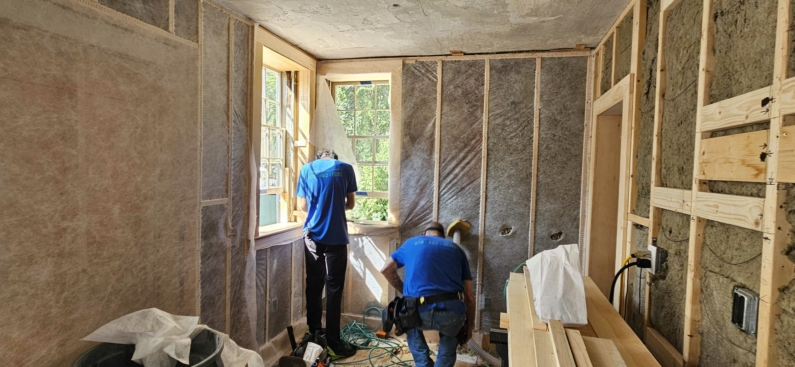
Massachusetts homeowners deal with freezing winters, humid summers, and unpredictable seasonal temperature changes throughout the year. Because of these conditions, proper insulation plays a major role in maintaining indoor comfort and controlling energy costs. Many homes across the state lose large amounts of heat through attics, walls, crawl spaces, and basements without homeowners even realizing it. With The Green Cocoon, homeowners are learning that the right insulation levels can make a significant difference in energy efficiency, comfort, and long term savings.
The challenge is that many people are unsure how much insulation their home actually needs. Insulation requirements vary depending on the area of the house, the material being used, and whether the property is an older home or new construction. Understanding recommended insulation levels can help homeowners make smarter upgrade decisions while improving year round indoor comfort.
Why Proper Insulation Matters
Massachusetts experiences a wide range of weather conditions that place constant pressure on heating and cooling systems. During winter, poorly insulated homes lose heat quickly, forcing furnaces to work harder to maintain comfortable temperatures. In summer, inadequate insulation allows outdoor heat to enter the home more easily.
Without proper insulation, homeowners often deal with higher utility bills, uneven temperatures, and uncomfortable indoor drafts.
Benefits of proper insulation include:
- Better indoor temperature control
- Reduced heating expenses
- Improved cooling efficiency
- Fewer indoor drafts
- Better energy performance
- Increased year round comfort
Insulation acts as a protective barrier that helps homes stay more stable and energy efficient in every season.
Understanding R Value and Why It Matters
R value measures how effectively insulation resists heat transfer. Higher R values provide stronger thermal resistance, which is especially important in colder climates like Massachusetts.
Different areas of the home require different R value targets depending on how much heat loss typically occurs in those spaces.
Common insulation targets include:
- Roofs and ceilings around R 49
- Exterior walls around R 21
- Basement ceilings around R 30
- Crawl spaces around R 30
- Existing attic upgrades around R 38
- Reduced wall requirements with exterior rigid insulation
Understanding these recommendations helps homeowners choose insulation systems that meet both comfort goals and local building standards.
Why Attics Need the Highest Insulation Levels
Attics are one of the largest sources of heat loss in many homes. Because warm air naturally rises, poorly insulated attics allow significant amounts of heated air to escape during winter months.
Proper attic insulation helps stabilize indoor temperatures while reducing strain on heating systems.
Benefits of well insulated attics include:
- Lower heating costs
- Better indoor temperature retention
- Reduced ice dam formation
- Improved HVAC efficiency
- Enhanced home comfort
- Reduced energy waste
Many homeowners choose attic insulation cellulose because it provides strong thermal coverage while filling irregular attic spaces effectively.
Exterior Walls Play a Major Role in Energy Efficiency
Walls make up a large percentage of a home’s exterior surface area, which means inadequate wall insulation can create major energy losses throughout the year.
Well insulated walls help maintain more consistent indoor temperatures while reducing drafts and cold spots.
Advantages of properly insulated walls include:
- Better indoor comfort
- Reduced temperature fluctuations
- Improved energy savings
- Less outdoor air infiltration
- Better moisture management
- Increased HVAC efficiency
Choosing the correct wall insulation depends on framing depth, climate conditions, and available installation space.
Closed Cell Foam Offers Strong Thermal Performance
Closed cell spray foam is one of the highest performing insulation materials available for residential projects. Its dense structure provides excellent thermal resistance while helping block moisture movement.
Because of its high R value per inch, it works especially well in areas with limited cavity space.
Benefits of closed cell foam include:
- High insulation value
- Strong moisture resistance
- Better structural reinforcement
- Improved air sealing
- Long lasting durability
- Reduced heat transfer
Many Massachusetts homeowners use closed cell spray foam in basements, crawl spaces, roof decks, and exterior walls where stronger thermal performance is needed.
Open Cell Foam Provides Flexible Coverage
Open cell spray foam is softer and expands more aggressively than closed cell foam. This allows it to fill larger cavities and irregular spaces efficiently.
It also offers excellent sound reduction benefits, making it popular for interior wall applications.
Advantages of open cell foam include:
- Excellent expansion capability
- Strong sound absorption
- Effective air sealing
- Flexible installation coverage
- Improved indoor comfort
- Lower upfront cost
Open cell foam often works well in deeper framing cavities where maximum expansion is beneficial.
Basement and Crawl Space Insulation Matters More Than Many Realize
Basements and crawl spaces are often overlooked during insulation upgrades, yet they contribute heavily to indoor comfort and moisture control.
Cold basement air can easily impact flooring temperatures and increase heating demands throughout the home.
Benefits of insulating lower levels include:
- Warmer floor surfaces
- Reduced moisture buildup
- Better indoor air quality
- Improved energy efficiency
- Reduced draft problems
- Increased comfort levels
Proper insulation in these areas also helps protect pipes and reduce humidity concerns.
Existing Homes Have Different Requirements Than New Builds
Older homes across Massachusetts often contain outdated insulation or incomplete thermal barriers. Retrofitting these homes requires different strategies compared to insulating brand new construction.
Existing homes may have lower minimum requirements depending on the project scope and current building conditions.
Key retrofit considerations include:
- Existing insulation condition
- Air leakage levels
- Ventilation performance
- Moisture management needs
- Structural limitations
- Budget planning
Many homeowners begin by upgrading attics and crawl spaces because these areas often deliver the fastest energy savings.
Exterior Continuous Insulation Can Change Wall Requirements
Some homes use rigid insulation installed on the outside of the building structure. This continuous insulation layer helps reduce thermal bridging and improve overall wall efficiency.
When continuous exterior insulation is added, interior wall cavity insulation requirements may decrease.
Advantages of exterior insulation include:
- Improved thermal performance
- Reduced heat transfer
- Better moisture protection
- Increased wall efficiency
- Fewer thermal gaps
- Enhanced energy savings
Combining multiple insulation methods can often produce the best long term performance.
Moisture Control Is Essential for Massachusetts Homes
Massachusetts weather creates significant moisture challenges due to snow, humidity, rain, and seasonal temperature swings. Poor insulation combined with improper ventilation can trap moisture inside walls and attics.
This may lead to mold growth, wood damage, or reduced insulation performance over time.
Important moisture management factors include:
- Proper attic ventilation
- Air sealing around penetrations
- Vapor barrier placement
- Basement humidity control
- Roof moisture prevention
- Crawl space sealing
Balanced insulation and ventilation work together to protect long term structural health.
Professional Installation Improves Overall Results
Insulation performance depends heavily on installation quality. Gaps, compressed materials, or poor air sealing can greatly reduce effectiveness even when high quality products are used.
Experienced professionals understand how to evaluate insulation needs based on home design, climate, and building codes.
Benefits of professional installation include:
- Accurate insulation placement
- Better air sealing results
- Reduced installation errors
- Improved moisture management
- Longer lasting performance
- Better energy efficiency
Many homeowners work with experienced insulation contractors in MA to ensure their homes meet proper insulation standards.
Signs Your Home May Need More Insulation
Many homeowners are unaware that their insulation levels are insufficient until energy bills rise or comfort problems become obvious.
Several warning signs often indicate it may be time for an insulation upgrade.
Common signs include:
- Uneven room temperatures
- Drafty indoor spaces
- High heating costs
- Ice dams on the roof
- Cold floors and walls
- Frequent HVAC cycling
Addressing these issues early can help improve comfort while reducing long term energy waste. You can also learn more through this helpful guide on what a home insulation contractor does.
Choosing the Best Insulation Strategy for Your Home
Every home requires a customized insulation approach based on age, structure, climate exposure, and efficiency goals. Some homeowners benefit most from spray foam systems, while others may prioritize blown in cellulose or combined insulation methods.
Before upgrading insulation, homeowners should consider:
- Current insulation levels
- Home age and structure
- Moisture exposure risks
- Budget expectations
- Long term energy goals
- Ventilation requirements
A well planned insulation strategy can significantly improve indoor comfort and energy savings for many years.
Create a More Comfortable and Efficient Home
Proper insulation is one of the most valuable investments Massachusetts homeowners can make for comfort, efficiency, and long term property performance. The right insulation levels help reduce drafts, stabilize temperatures, and lower heating and cooling costs throughout every season.
The Green Cocoon helps homeowners choose energy efficient insulation solutions designed for Massachusetts weather conditions and long term indoor comfort. Whether you are upgrading an attic, basement, crawl space, or entire home, contact us today to find the right insulation strategy for your property.
Frequently Asked Questions
How much attic insulation does a home need?
Many homes in Massachusetts aim for attic insulation levels around R 49 for strong energy efficiency and winter protection.
What type of insulation works best in cold climates?
Spray foam, cellulose, and mineral wool are commonly used because they provide strong thermal resistance in colder regions.
Can insulation lower heating bills?
Yes, proper insulation helps reduce heat loss and allows heating systems to operate more efficiently.
How do I know if my insulation is outdated?
Drafts, uneven temperatures, rising utility costs, and cold interior surfaces often indicate poor insulation performance.
Is professional insulation installation necessary?
Professional installation helps ensure proper coverage, air sealing, and moisture management for better long term results.