


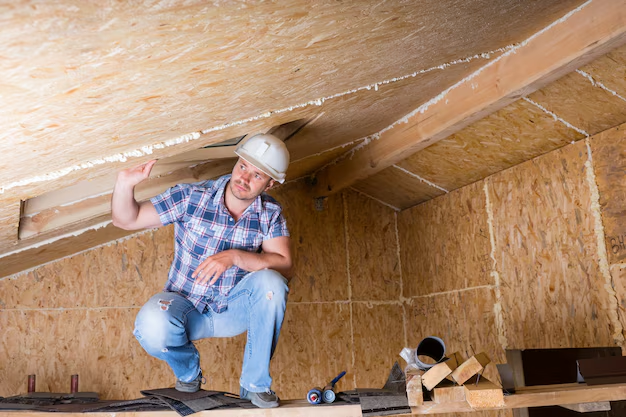
Older homes have a unique charm that many homeowners love, from original woodwork and vintage layouts to classic architectural details. However, these homes often struggle with poor energy efficiency, uneven indoor temperatures, and high utility bills. Drafty rooms, cold floors, and moisture problems are common concerns in aging properties. At The Green Cocoon, homeowners are discovering how modern insulation solutions can dramatically improve comfort while preserving the character of older homes.
The challenge with insulating older homes is that they were built differently from modern houses. Many older structures were designed to naturally breathe and manage airflow in ways that require careful planning during insulation upgrades. Choosing the right materials and installation methods is essential for improving efficiency without creating moisture or ventilation issues.
Why Older Homes Need Specialized Insulation Solutions
Unlike newer buildings, older homes often contain outdated materials, inconsistent wall cavities, and aging ventilation systems. These factors make insulation upgrades more complex than standard modern installations.
Older homes also tend to lose heat quickly through attics, walls, crawl spaces, and aging windows. Without proper insulation, heating and cooling systems work harder to maintain indoor comfort throughout the year.
Common issues in older homes include:
- Drafty interior spaces
- Uneven room temperatures
- Rising utility expenses
- Moisture buildup concerns
- Poor attic ventilation
- Outdated wall insulation
A specialized insulation approach helps improve efficiency while protecting the long-term condition of the structure.
How Modern Insulation Improves Energy Efficiency
Modern insulation products are designed to create stronger thermal barriers that reduce unwanted heat transfer. This helps homes stay warmer during colder months and cooler during hotter seasons.
Better insulation performance also reduces the strain on HVAC systems, which can lower monthly energy costs and improve indoor comfort.
Benefits of upgraded insulation include:
- Reduced energy waste
- Better indoor temperature control
- Lower heating costs
- Improved cooling efficiency
- Increased home comfort
- Reduced outdoor noise
Many homeowners notice significant comfort improvements almost immediately after upgrading insulation in key areas of the home.
Understanding Air Leaks and Draft Problems
One of the biggest energy problems in older homes comes from hidden air leaks. Small gaps around attics, windows, crawl spaces, and wall penetrations allow conditioned air to escape while outdoor air enters the home.
Even minor leaks can greatly reduce insulation effectiveness and create uncomfortable drafts throughout the house.
Common draft sources include:
- Attic openings
- Window gaps
- Basement cracks
- Pipe penetrations
- Crawl space leaks
- Wall cavity openings
Proper air sealing is often just as important as the insulation material itself when improving efficiency in older properties.
Spray Foam Creates Strong Thermal Protection
Spray foam insulation has become one of the most effective solutions for improving energy efficiency in aging homes. It expands after application to seal cracks, gaps, and hard-to-reach spaces that traditional materials may miss.
This creates a more complete air barrier that helps reduce drafts and improve indoor comfort year round.
Advantages of spray foam include:
- Excellent air sealing
- Strong thermal resistance
- Reduced moisture movement
- Improved attic performance
- Better structural support
- Long-lasting efficiency
Many local insulation contractors recommend spray foam for attics and crawl spaces because it helps stabilize indoor temperatures while minimizing air leakage.
Closed-Cell Foam Helps Control Moisture
Closed-cell spray foam is a denser insulation option that provides excellent moisture resistance along with high thermal performance. It is especially useful in areas exposed to humidity, condensation, or temperature fluctuations.
Because of its density, closed-cell foam also adds structural strength to certain parts of the home.
Benefits of closed-cell foam include:
- Higher insulation value
- Strong moisture resistance
- Better air barrier performance
- Increased structural durability
- Improved energy savings
- Reduced condensation risks
Older attics often benefit from this type of insulation because it helps reduce winter ice dam formation while improving HVAC efficiency.
Open-Cell Foam Supports Flexible Coverage
Open-cell foam is lighter and more flexible compared to closed-cell options. It expands efficiently into irregular spaces and provides strong sound absorption benefits along with thermal insulation.
This option works especially well for interior wall cavities and areas where sound control is important.
Advantages of open-cell foam include:
- Effective sound reduction
- Flexible expansion capability
- Better wall cavity coverage
- Improved indoor comfort
- Reduced air leakage
- Lightweight installation
Homeowners looking for balanced comfort and noise reduction often prefer open-cell applications in living areas.
Cellulose Insulation Offers Eco-Friendly Performance
Cellulose insulation remains one of the most environmentally friendly insulation choices available for older homes. Made primarily from recycled paper materials, cellulose provides effective thermal performance while supporting sustainable building practices.
It is commonly blown into attics and wall cavities to improve insulation coverage without major structural changes.
Benefits of cellulose include:
- Eco-conscious material composition
- Strong thermal efficiency
- Excellent coverage capability
- Reduced air infiltration
- Long-lasting performance
- Lower environmental impact
Cellulose works particularly well in older homes with irregular framing or difficult-to-access wall cavities.
Mineral Wool Delivers Durability and Fire Resistance
Mineral wool insulation is another highly effective solution for older homes. Made from natural rock and recycled materials, it provides strong thermal resistance along with excellent fire protection.
This material also performs well in moisture-prone environments because it naturally resists mold and water absorption.
Advantages of mineral wool include:
- Excellent fire resistance
- Strong moisture tolerance
- Effective sound insulation
- Durable long-term performance
- Mold resistance properties
- Environmentally conscious composition
Its dense structure makes it a valuable option for both wall and attic applications.
Fiberglass Remains a Budget-Friendly Option
Fiberglass insulation continues to be widely used because of its affordability and accessibility. While it may not provide the same air sealing performance as spray foam, it can still be effective when installed correctly.
Many homeowners use fiberglass in combination with other insulation methods to balance cost and efficiency.
Fiberglass advantages include:
- Lower installation costs
- Wide product availability
- Reliable thermal performance
- Flexible installation options
- Lightweight material handling
- Suitable for multiple spaces
Professional installation helps ensure fiberglass performs effectively without gaps or compression issues.
Moisture Management Is Essential in Older Homes
Older homes naturally manage airflow differently than newer airtight structures. Improper insulation upgrades can trap moisture inside walls and attics, potentially leading to mold, wood rot, or structural damage.
This is why moisture control must always be part of the insulation planning process.
Important moisture considerations include:
- Proper attic ventilation
- Balanced airflow management
- Vapor barrier placement
- Humidity control strategies
- Roof condition evaluation
- Crawl space moisture prevention
Working with experienced professionals helps reduce the risk of long-term moisture problems.
Why Professional Installation Matters
Insulation performance depends heavily on installation quality. Even high-performance materials may fail to deliver expected results if gaps, compression, or ventilation issues are overlooked.
Experienced professionals understand how to evaluate older structures and recommend the most suitable solutions for each home.
Benefits of professional installation include:
- Accurate insulation assessment
- Proper air sealing methods
- Better moisture management
- Improved long-term efficiency
- Reduced installation errors
- Safer project execution
Many homeowners specifically search for home insulation contractors near Massachusetts when looking for trusted professionals familiar with older regional home construction.
Signs Your Older Home Needs Insulation Upgrades
Many homeowners live with poor insulation for years without realizing how much it affects comfort and energy costs. Certain warning signs often indicate it may be time for an upgrade.
Common indicators include:
- High utility bills
- Drafty interior rooms
- Uneven temperatures
- Cold walls or floors
- Frequent HVAC cycling
- Ice dams on roofs
Addressing these issues early can help improve comfort while reducing long-term energy waste. You can also learn more through this helpful guide on signs you need home insulation replaced.
Choosing the Best Option for Your Home
Every older home has different insulation needs depending on age, construction style, climate conditions, and existing materials. Some homes benefit most from spray foam, while others may perform better with cellulose, mineral wool, or combined insulation systems.
Before choosing an insulation solution, homeowners should evaluate:
- Existing insulation condition
- Moisture exposure levels
- Budget considerations
- Long-term efficiency goals
- Ventilation requirements
- Environmental preferences
A customized approach often produces the best balance between comfort, efficiency, and structural protection.
Improve Comfort and Savings With the Right Insulation
Upgrading insulation in an older home is one of the most effective ways to improve indoor comfort, reduce energy costs, and create a healthier living environment. The right insulation strategy helps eliminate drafts, stabilize indoor temperatures, and protect aging structures from moisture-related issues.
The Green Cocoon helps homeowners choose energy-efficient insulation solutions designed specifically for the unique needs of older homes. Whether you are planning attic upgrades, wall insulation, or complete energy improvements, contact us today and discover the best solution for lasting comfort and savings.
Frequently Asked Questions
What is the best insulation for old homes?
The best option depends on the home’s structure, moisture conditions, and efficiency goals. Spray foam, cellulose, and mineral wool are all popular choices.
Can insulation help lower energy bills?
Yes, proper insulation reduces heat transfer and helps HVAC systems work more efficiently, which can lower heating and cooling costs.
Is spray foam safe for older homes?
Spray foam can be very effective when installed correctly, especially in attics and crawl spaces where air sealing is important.
How do I know if my home lacks insulation?
Drafts, uneven temperatures, high utility bills, and cold interior surfaces are common signs of poor insulation performance.
Should old insulation be removed before upgrading?
In some cases, damaged or ineffective insulation should be removed before adding new materials to ensure better performance and moisture control.