


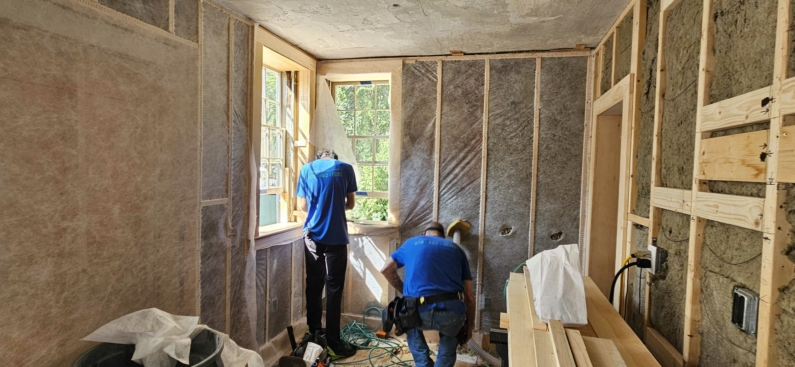
Understanding how home insulation works is essential for homeowners who want to improve comfort, reduce energy costs, and maintain consistent indoor temperatures throughout the year. Proper insulation acts as a barrier that slows the transfer of heat between the inside and outside of a home. By controlling heat flow, insulation helps keep interiors warm during winter and cool during summer.
Modern insulation systems are designed not only to resist heat transfer but also to reduce air leakage. When insulation is combined with effective air sealing, homes become more energy efficient, quieter, and more comfortable. At The Green Cocoon, advanced insulation solutions are used to help homeowners maximize energy efficiency while improving indoor comfort and reducing long-term utility costs.
This guide explains the key principles behind home insulation, including what is R-value, the importance of air sealing, how insulation contributes to energy savings, and which insulation types perform best for different seasonal conditions.
Understanding How Home Insulation Works
The main purpose of insulation is to slow the movement of heat. Heat naturally flows from warmer areas to cooler areas. During winter, heat inside the home tries to escape to the colder outdoors. In summer, external heat attempts to move indoors. Insulation reduces this heat flow, helping maintain a stable indoor temperature.
Insulation materials contain tiny air pockets or fibers that trap air and reduce heat transfer. These pockets act as a barrier, slowing down conduction, convection, and radiation-the three main ways heat moves.
A properly insulated home improves overall efficiency by:
- Maintaining stable indoor temperatures
- Reducing heating and cooling demand
- Improving HVAC system performance
- Lowering energy bills
However, insulation alone is not always enough. Air leaks around windows, doors, and structural gaps can allow significant heat loss or gain, which is why air sealing is equally important.
What Is R-Value and Why It Matters
One of the most important concepts in understanding how home insulation works is R-value. R-value measures an insulation material’s resistance to heat flow. The higher the R-value, the better the insulation performs at slowing heat transfer.
Several factors affect R-value performance:
Material Type
Different insulation materials have different thermal resistance levels. Foam-based insulation typically provides higher R-values compared to traditional materials.
Thickness of the Insulation
R-value increases as the thickness of the insulation layer increases.
Installation Quality
Even high-R-value insulation can perform poorly if it is not installed correctly or if gaps are present.
For example, spray foam insulation often provides high R-values because it expands to fill cavities and create an airtight seal. Materials such as open cell spray foam insulation, closed cell spray foam, and mineral wool insulation each offer different R-value levels depending on their density and application.
Understanding R-value helps homeowners select the right insulation for walls, attics, and crawl spaces based on climate and building structure.
The Importance of Air Sealing in Insulation Performance
While insulation slows heat flow, air leaks can allow conditioned air to escape and outside air to enter. This significantly reduces insulation effectiveness.
Air leaks commonly occur in areas such as:
- Attic penetrations
- Electrical outlets and wiring openings
- Window and door frames
- Plumbing penetrations
- Basement rim joists
Without proper sealing, these gaps allow warm air to escape during winter and hot air to enter during summer. This increases energy consumption and forces HVAC systems to work harder.
Air sealing improves insulation performance by:
- Preventing drafts
- Reducing humidity intrusion
- Improving indoor air quality
- Enhancing overall energy efficiency
Spray foam insulation solutions such as open cell spray foam insulation naturally provide both insulation and air sealing because the material expands and fills cracks and gaps during installation.
Energy Savings Through Effective Insulation
One of the biggest benefits of understanding how home insulation works is the ability to reduce energy costs. Heating and cooling typically account for a significant portion of residential energy consumption.
When insulation and air sealing are properly installed, homeowners often experience noticeable reductions in utility bills. Effective insulation reduces heat loss in winter and heat gain in summer, allowing HVAC systems to operate more efficiently.
Energy savings from insulation upgrades can include:
Lower heating and cooling expenses
Reduced strain on HVAC equipment
Longer HVAC system lifespan
More consistent indoor temperatures
In addition to cost savings, better insulation also contributes to environmental sustainability by reducing overall energy demand.
Best Insulation Types for Modern Homes
Different insulation materials provide varying levels of thermal performance, moisture resistance, and durability. Selecting the right insulation type depends on the specific application area and the desired level of energy efficiency.
Spray Foam Insulation
Spray foam is one of the most effective insulation solutions because it expands to fill cavities and creates an air seal.
Open Cell Spray Foam
Open-cell foam is lightweight and flexible. It provides excellent air sealing while allowing some moisture permeability. Many homeowners choose open cell spray foam insulation for interior walls and attics because it enhances sound absorption and thermal performance.
Closed Cell Spray Foam
Closed-cell foam is denser and offers a higher R-value per inch. It also acts as a moisture barrier and adds structural strength. Closed cell spray foam is commonly used in areas where maximum insulation performance and moisture resistance are required.
Mineral Wool Insulation
Mineral wool is a durable and fire-resistant insulation material made from natural rock or recycled materials. It offers strong thermal resistance and excellent soundproofing properties.
Many homeowners choose mineral wool insulation because it resists moisture, mold, and pests while maintaining long-term performance.
Winter vs Summer Insulation Needs
Insulation plays a crucial role in maintaining comfort during both cold and hot seasons. However, the way insulation works can vary depending on seasonal conditions.
Winter Insulation Performance
During winter, insulation helps keep heat inside the home. Warm air generated by heating systems rises toward the ceiling and attic. Without proper attic insulation and air sealing, much of this heat can escape.
High-quality insulation helps:
- Prevent heat loss through roofs and walls
- Maintain comfortable indoor temperatures
- Reduce heating costs
Summer Insulation Performance
In hot weather, insulation slows the transfer of external heat into the home. Attics and roofs can reach extremely high temperatures during summer months, which can quickly raise indoor temperatures if insulation is inadequate.
Effective insulation helps:
- Reduce indoor heat gain
- Lower cooling costs
- Improve air conditioning efficiency
Homes that combine high R-value insulation with strong air sealing typically maintain more stable temperatures year-round.
How Professional Installation Improves Results
The effectiveness of insulation depends heavily on proper installation. Even high-performance insulation materials can underperform if they are installed incorrectly.
Professional installers evaluate several factors before selecting insulation solutions, including:
- Climate conditions
- Existing insulation levels
- Air leakage points
- Structural design of the home
Companies like The Green Cocoon focus on tailored insulation strategies that combine material performance with expert installation techniques. By addressing both insulation and air sealing, professional services ensure maximum energy efficiency and long-term durability.
Long-Term Benefits of Proper Home Insulation
Investing in quality insulation delivers long-term benefits beyond energy savings. Homes with well-designed insulation systems typically experience improved comfort and building durability.
Key benefits include:
Consistent indoor temperatures across rooms
Reduced noise transmission between spaces
Better moisture control and mold prevention
Improved indoor air quality
Higher property value and resale appeal
When insulation is combined with proper air sealing, homes become more resilient against extreme seasonal temperatures while maintaining lower operational costs.
Conclusion
Understanding how home insulation works allows homeowners to make informed decisions about improving energy efficiency and comfort. Insulation slows heat transfer, while air sealing prevents unwanted airflow that can reduce insulation effectiveness.
Key factors such as R-value, insulation material type, and installation quality all influence overall performance. Modern insulation options like open cell spray foam insulation, closed cell spray foam, and mineral wool insulation provide reliable solutions for maintaining indoor comfort throughout the year.
By combining proper insulation with air sealing and professional installation, homeowners can achieve substantial energy savings, better temperature control, and long-term building protection. Contact us today to learn how The Green Cocoon can help you choose the right insulation solution for your home and maximize long-term efficiency and comfort.
FAQs
Home insulation works by slowing the transfer of heat between the inside and outside of a home. It traps air within its structure, reducing heat loss in winter and heat gain in summer.
R-value measures how well an insulation material resists heat flow. Higher R-values indicate better insulation performance and improved energy efficiency.
Air sealing prevents conditioned air from escaping and outside air from entering. This helps insulation perform more effectively and improves overall energy efficiency.
Closed-cell spray foam typically offers one of the highest R-values per inch among common residential insulation materials.
Yes. Insulation slows the transfer of outdoor heat into the home, helping keep indoor temperatures cooler and reducing the workload on air conditioning systems.